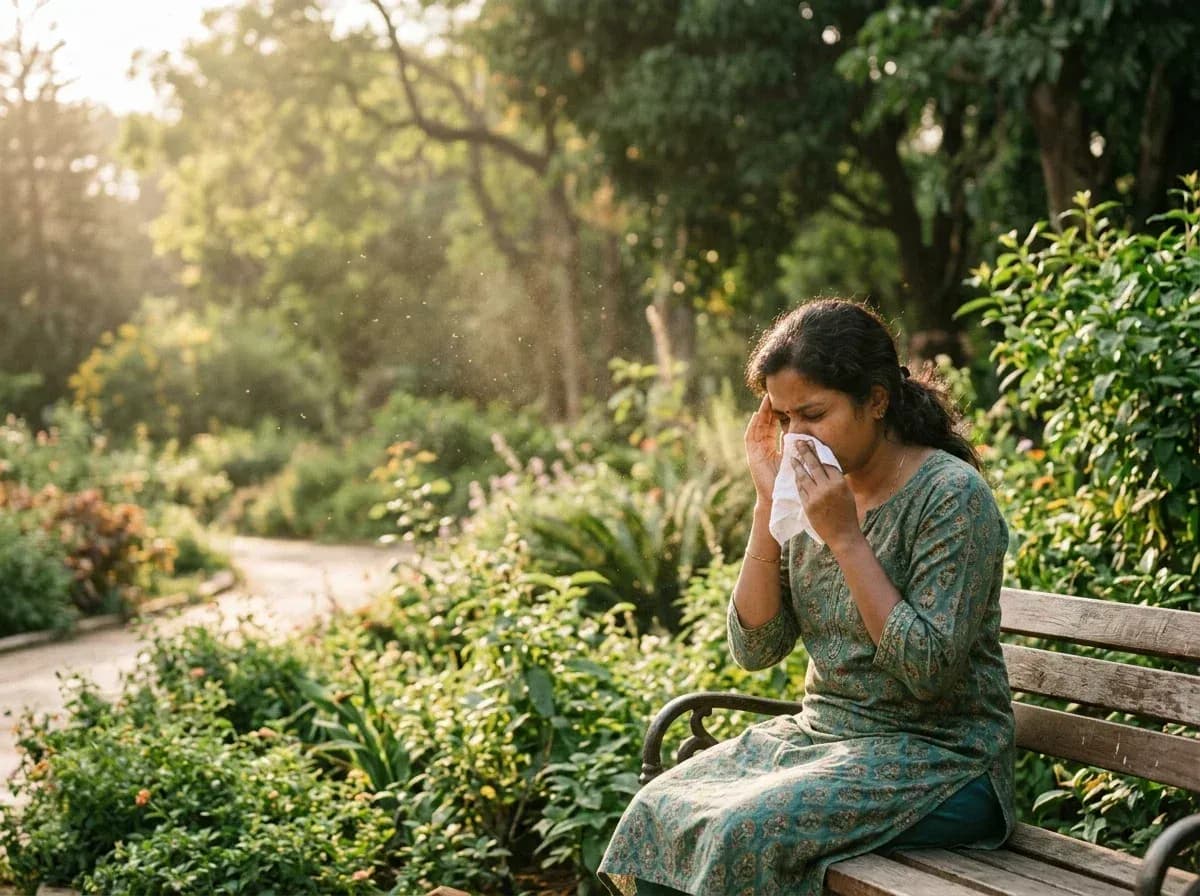
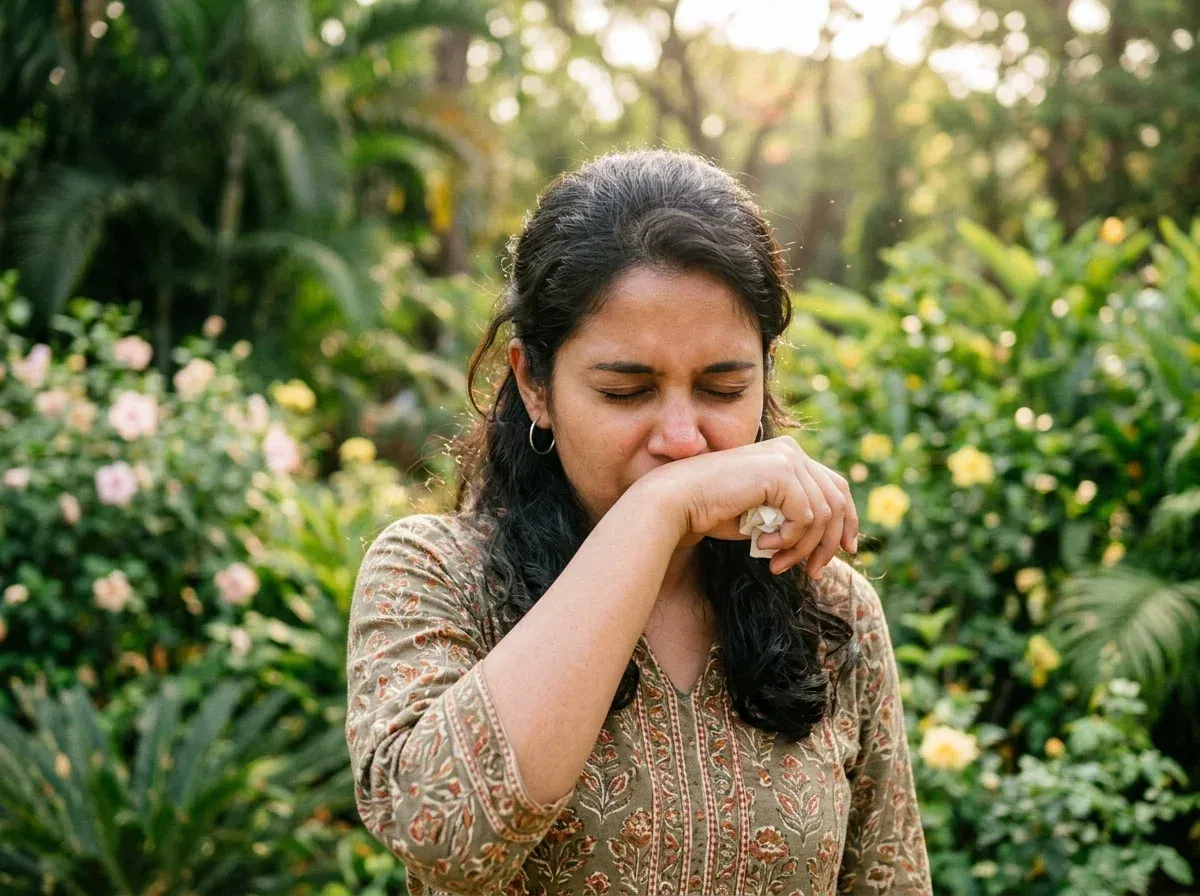
•Sneezing, runny nose, and nasal congestion appearing at predictable times of year
•Intensely itchy eyes, nose, and throat
•Watery, red, puffy eyes coinciding with high pollen or mould counts
•Scratchy or sore throat from post-nasal drip
•Dry, irritating cough worsening outdoors or at night
•Worsening asthma with increased wheeze and breathlessness
•Skin rashes or hives triggered by outdoor allergen exposure
•Headache, fatigue, and impaired concentration during peak season
Causes & Triggers
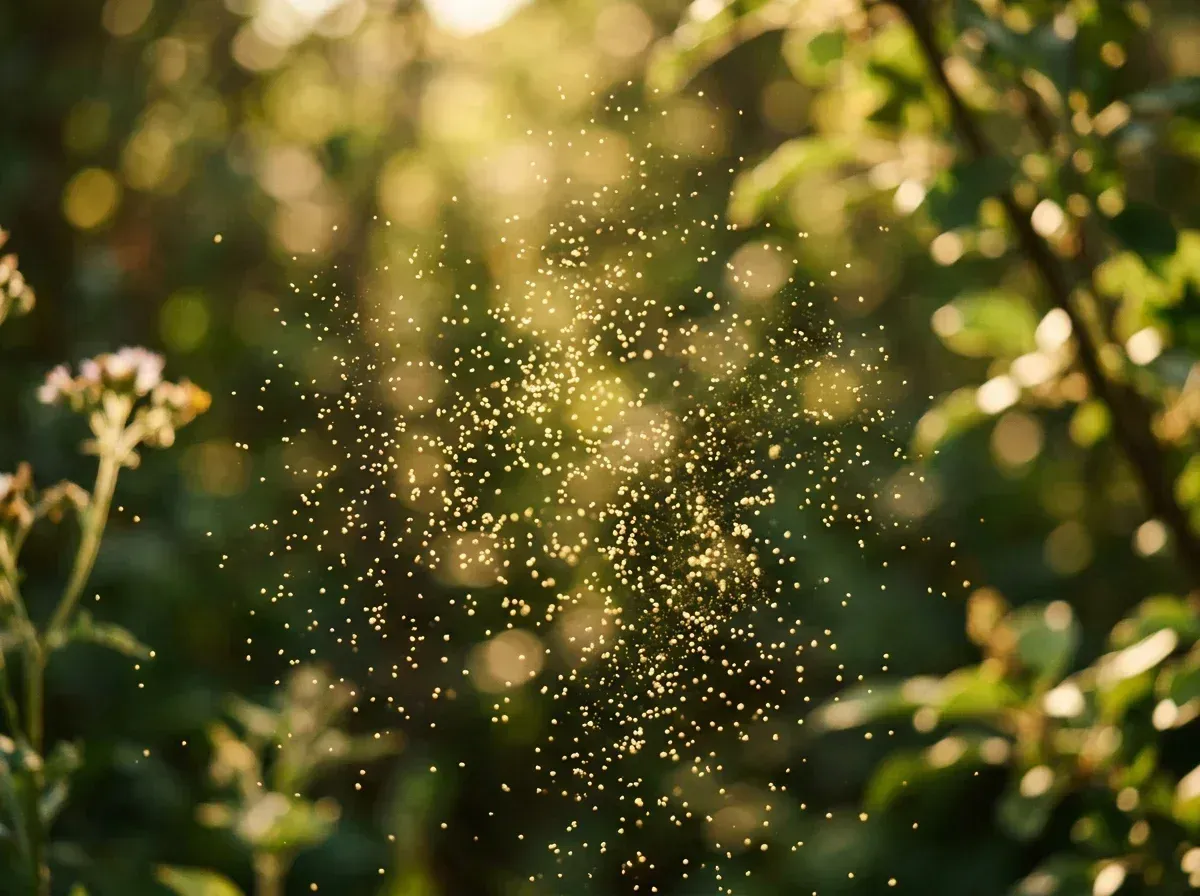
Mumbai's seasonal allergy calendar differs from the classic spring-summer pattern seen in Western countries. The pre-monsoon period (February–May) brings high airborne pollen from Parthenium hysterophorus (congress grass - a highly potent allergen), Prosopis juliflora (mesquite/vilayati babul), Cassia, and various ornamental trees. The monsoon onset (June) suppresses pollen but triggers an explosive rise in fungal spores - particularly Aspergillus, Alternaria, and Cladosporium - from waterlogged soil and building dampness. Post-monsoon (October–November) sees a second pollen peak from grasses and late-flowering weeds.
How We Test
A seasonal pattern diary recording symptom severity alongside weather conditions helps confirm seasonality. Skin prick testing with a regionally appropriate panel including local grass pollens (Cynodon dactylon/Bermuda grass, Sorghum), weed pollens (Parthenium, Amaranthus, Chenopodium), and seasonal moulds confirms the causative allergens. Nasal smear for eosinophils and total serum IgE provide supporting evidence.
Pre-seasonal treatment - starting intranasal corticosteroids and antihistamines 2–4 weeks before the expected pollen season - significantly reduces peak-season severity by preventing the 'priming effect' of repeated mucosal allergen exposure. During peak season, wearing wraparound glasses outdoors, showering and changing clothes after outdoor exposure, and keeping car and home windows closed with filtered AC all reduce allergen load. Allergen immunotherapy (SCIT or SLIT) with the specific seasonal allergen is the only treatment that builds long-term tolerance.
Consult an allergist before the next pollen season if seasonal symptoms last more than two weeks, impair work or studies, or if you have co-existing asthma that worsens predictably each year.
Frequently Asked Questions
Mumbai has two main pollen peaks: February to May (pre-monsoon), dominated by Parthenium, Prosopis, and various grass pollens, and a secondary October–November post-monsoon peak from grasses and late weeds. Monsoon months (June–September) have low pollen but very high mould spore counts - so allergy sufferers may find little relief year-round.
Yes - Parthenium hysterophorus is considered one of the most aggressive weed allergens in India. Introduced accidentally in the 1950s, it now grows densely along roads, railway tracks, and open plots across Mumbai and its suburbs. Its pollen is a major cause of allergic rhinitis and asthma in the city.
During Mumbai's monsoon, airborne mould spore concentrations surge dramatically - sometimes 100 times higher than dry-season levels. Spores from Aspergillus, Cladosporium, Alternaria, and Penicillium are potent allergens. Additionally, thunderstorms can rupture pollen grains into tiny starch particles that penetrate deep into the lungs, triggering 'thunderstorm asthma' episodes.
Yes - modern second-generation antihistamines (cetirizine, fexofenadine, loratadine, bilastine) are safe for daily use throughout the season. They are non-sedating and do not lose effectiveness over time. However, antihistamines only control symptoms - immunotherapy is needed for long-term modification.
It is best to start intranasal corticosteroid sprays and antihistamines 2–4 weeks before your known problem season begins. Pre-seasonal priming significantly blunts the immune response and reduces peak-season symptom severity.
Take the next step
Living with seasonal allergies? Let’s find your trigger.