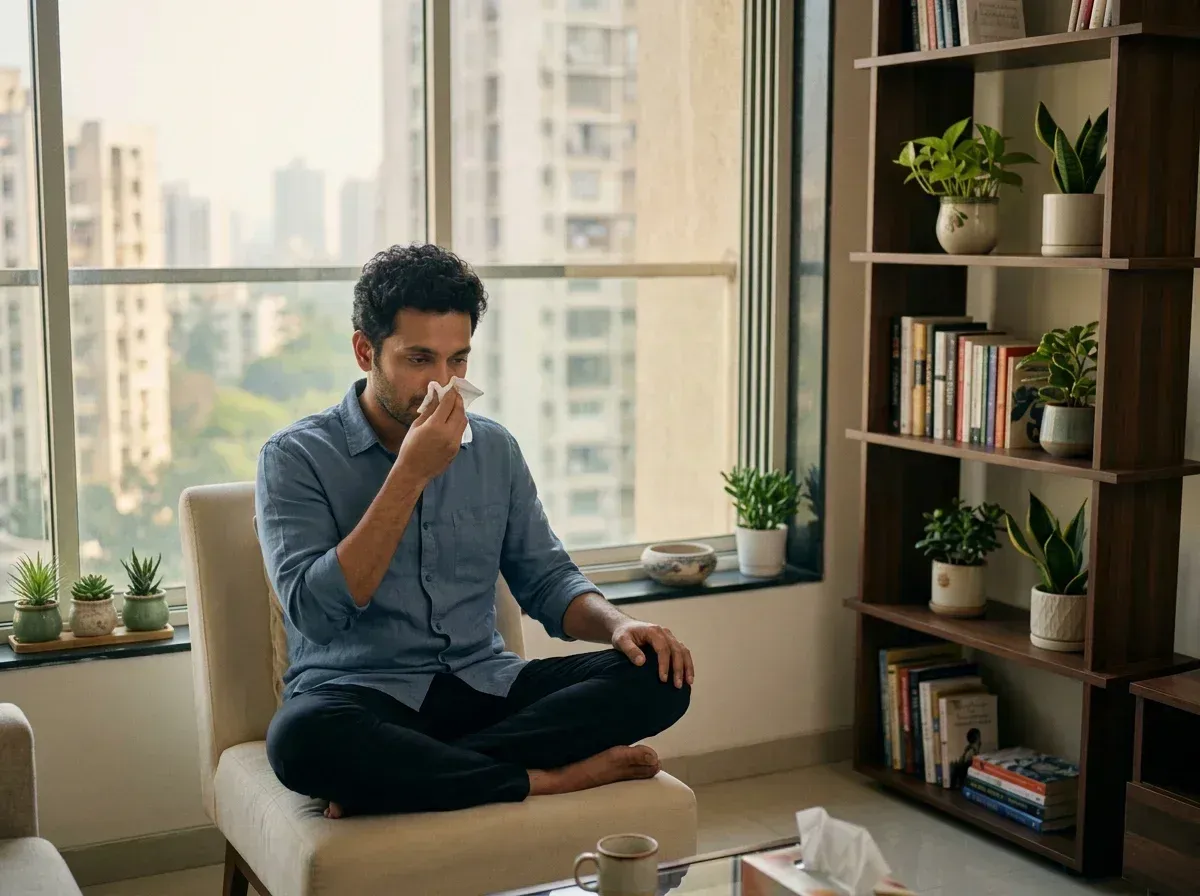
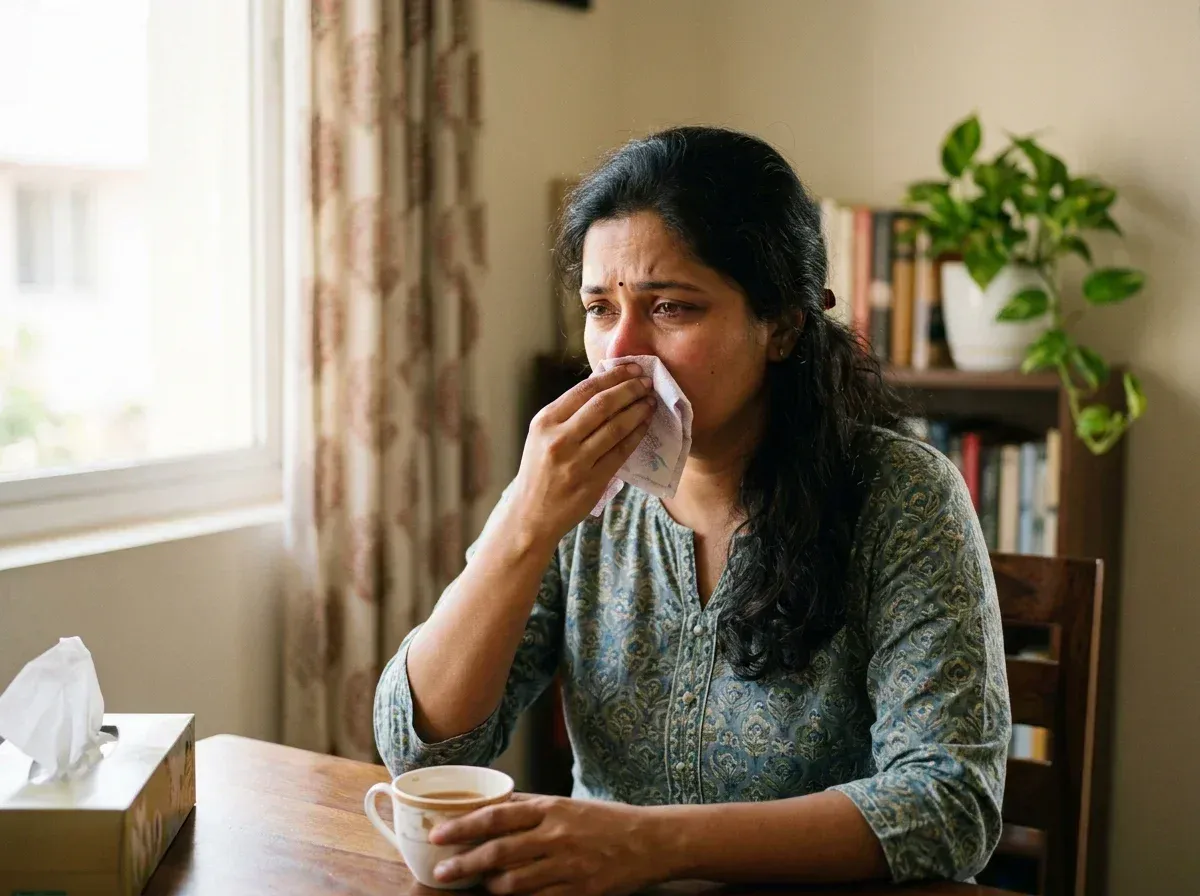
•Post-nasal drip causing throat tickle or chronic cough
•Reduced or absent sense of smell (hyposmia/anosmia)
•Fatigue, poor sleep quality, and daytime drowsiness
Causes & Triggers
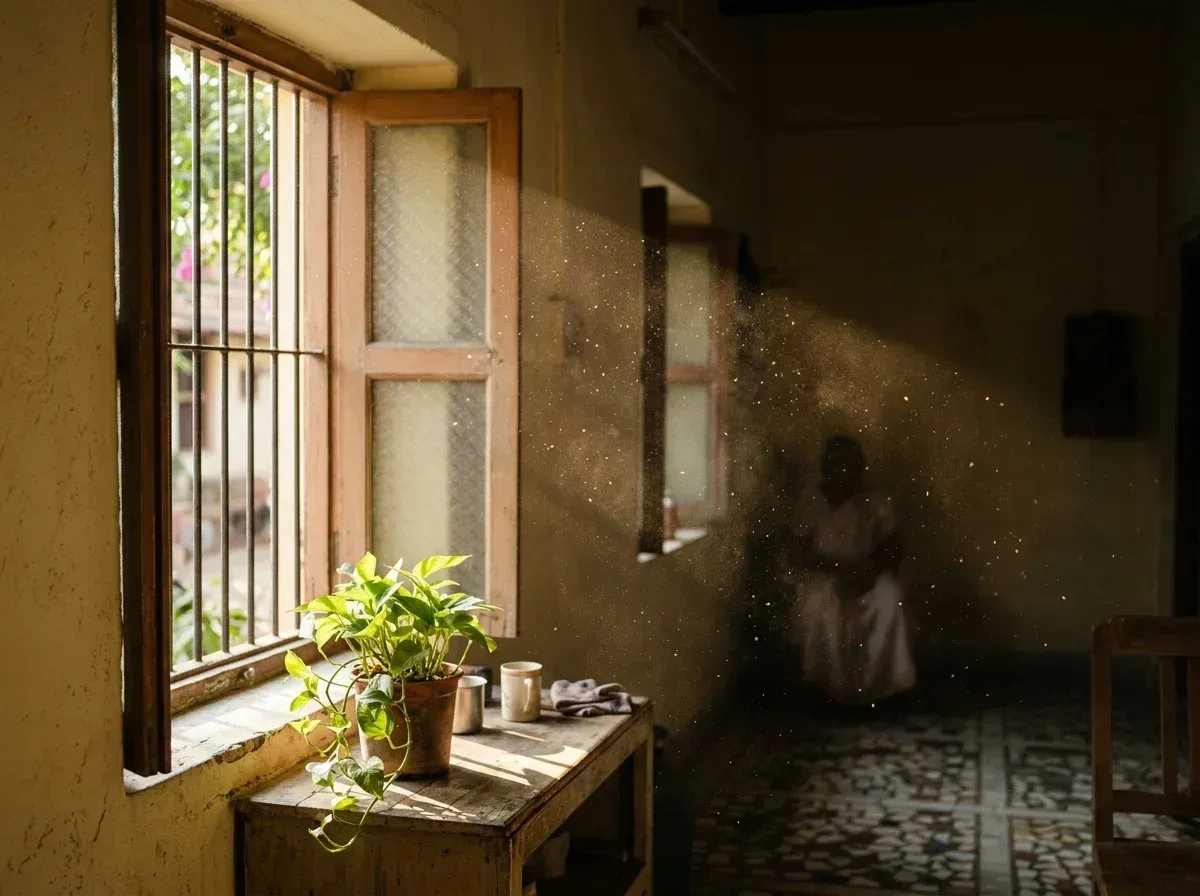
In Mumbai, allergic rhinitis is predominantly triggered by house dust mites (Dermatophagoides pteronyssinus and D. farinae), which thrive year-round in the city's warm, humid coastal climate. The monsoon season (June–September) dramatically increases indoor mould spore counts - particularly Aspergillus, Cladosporium, and Alternaria - worsening symptoms for millions of residents. Outdoor triggers include vehicle exhaust particulates (NO₂, PM2.5), construction dust, and seasonal pollen from Parthenium hysterophorus (congress grass), Prosopis (babul), and various ornamental trees.
How We Test
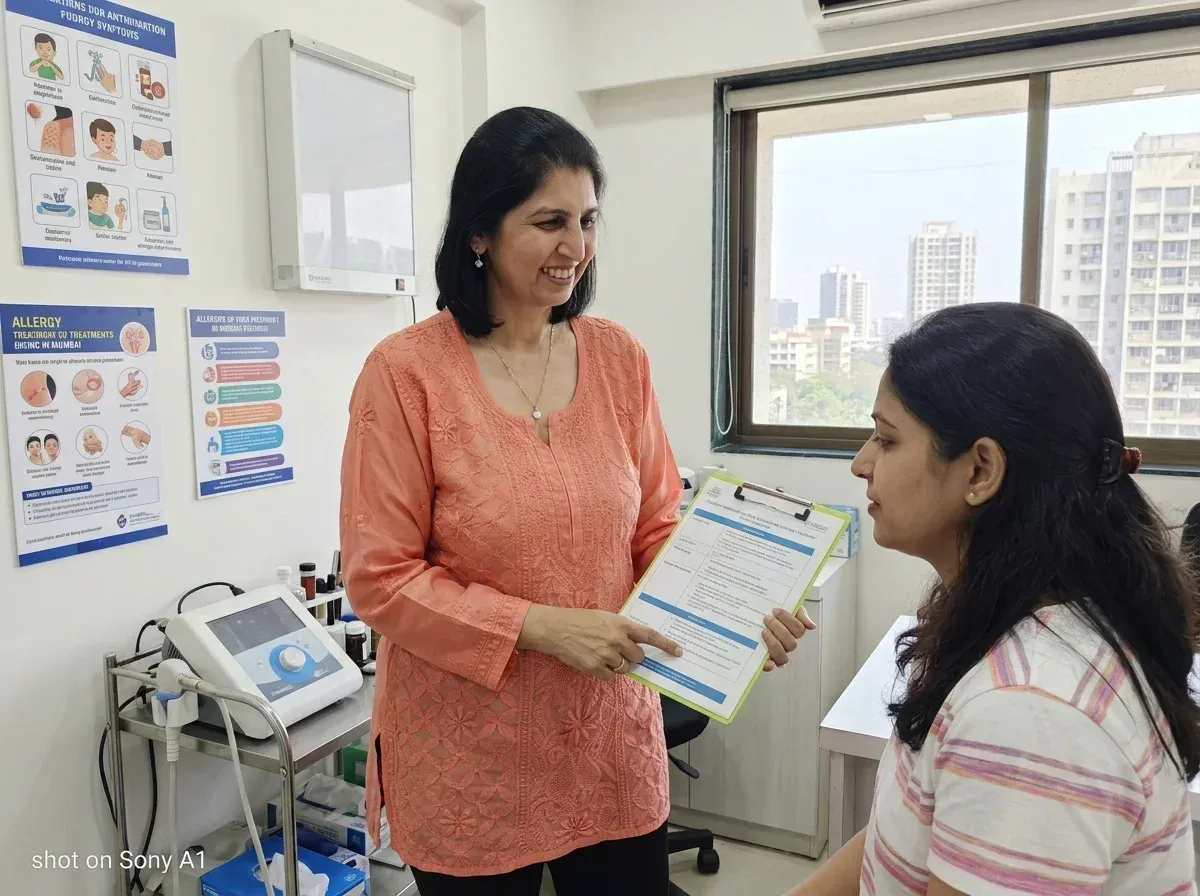
Diagnosis begins with a detailed clinical history and nasal endoscopy to assess mucosal appearance. Skin prick testing (SPT) with a standardised local allergen panel - including dust mite, cockroach, mould, local pollens, and pet dander - is the gold-standard confirmatory test available at specialised allergy clinics in Mumbai. Serum-specific IgE (ImmunoCAP) blood tests offer a needle-free alternative for patients on antihistamines or those with extensive eczema where SPT is difficult.
First-line management includes allergen avoidance measures (dust-mite-proof mattress encasings, air purifiers with HEPA filters, dehumidifiers during monsoon) combined with intranasal corticosteroid sprays (fluticasone, mometasone) and second-generation antihistamines (cetirizine, fexofenadine, bilastine). When symptoms are not adequately controlled with medications, allergen immunotherapy (AIT) - available as subcutaneous injections (SCIT) or sublingual drops/tablets (SLIT) - offers the only disease-modifying treatment, reducing sensitivity to identified allergens over a 3–5 year course.
Consult an allergist if nasal symptoms persist for more than two weeks, significantly disrupt sleep or daily activities, or do not respond adequately to over-the-counter antihistamines.
Frequently Asked Questions
No. A cold is caused by a virus and typically resolves in 7–10 days with fever and body aches. Allergic rhinitis is an immune reaction to allergens, produces clear discharge, causes intense itching, lasts for weeks or months, and never causes fever. An allergist can distinguish them clearly.
Mumbai's monsoon creates the perfect conditions for mould and dust mites to multiply - warm temperatures combined with very high indoor humidity. Mould spores released during and after heavy rainfall are a potent allergen. Keeping indoor humidity below 50% with a dehumidifier and ensuring good ventilation significantly reduces this seasonal flare.
Yes. The nose and lungs share the same airway lining, and up to 40% of people with allergic rhinitis develop allergic asthma - a concept called 'one airway, one disease'. Treating rhinitis effectively, including with immunotherapy, has been shown to reduce the risk of developing asthma.
Most patients notice a meaningful reduction in symptoms after 3–6 months of immunotherapy. The full benefit - including long-term tolerance after stopping treatment - builds over 3 years of continuous therapy. It is the only treatment that addresses the underlying cause rather than just masking symptoms.
Yes, a HEPA air purifier placed in the bedroom can reduce indoor levels of dust mite allergen, mould spores, and pollution particles by up to 70%. It works best alongside allergen-proof bedding covers and regular vacuuming with a HEPA-filter vacuum cleaner.
Take the next step
Living with allergic rhinitis? Let’s find your trigger.