•Itchy, red or watery eyes (allergic conjunctivitis)
•Itchy skin, hives or eczema flares after touching a pet
•Wheezing or chest tightness in asthmatic patients
•Coughing, especially at night
•Facial pressure or sinus pain
•Worsening asthma despite medication
Causes & Triggers
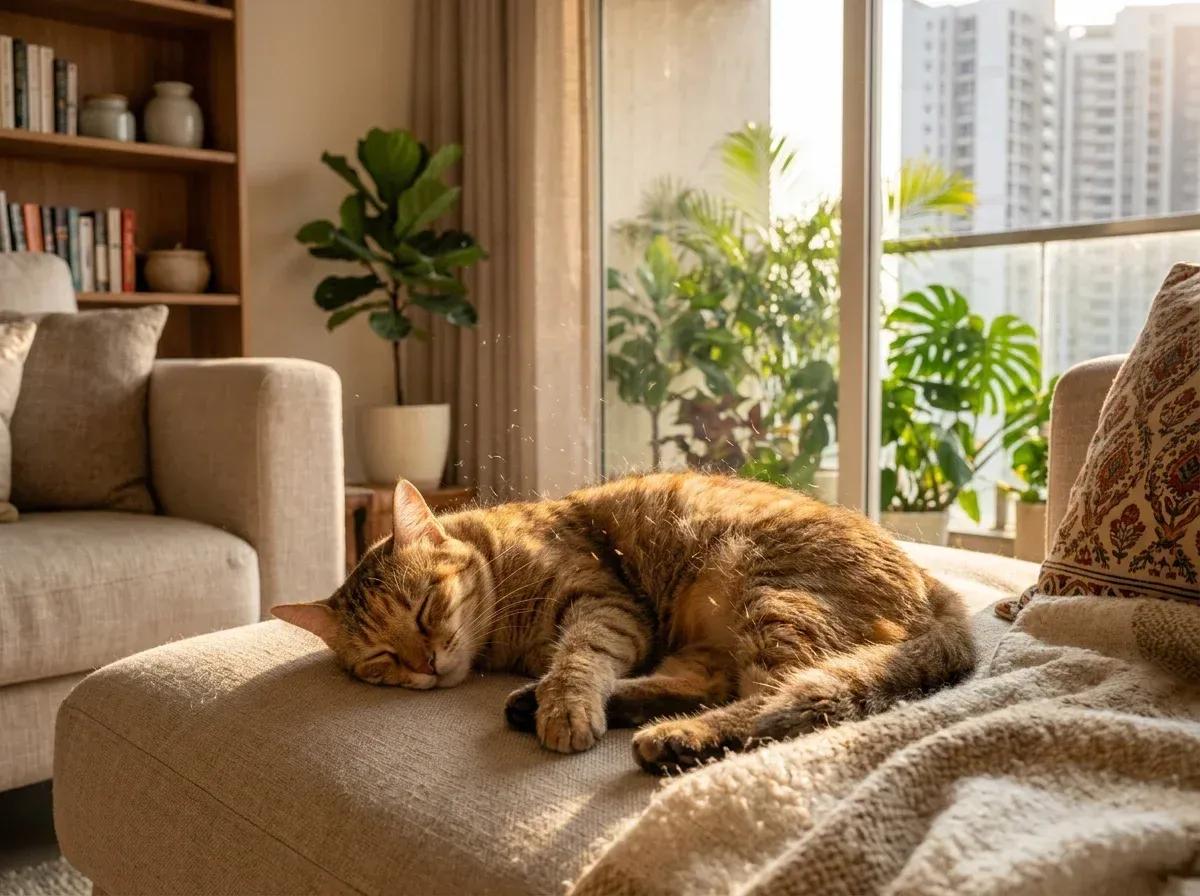
Pet allergies are caused by IgE-mediated sensitisation to specific proteins (allergens) secreted in the skin cells (dander), saliva, urine, and sebaceous glands of cats and dogs. The primary cat allergen Fel d 1 (from sebaceous glands and skin) is extremely lightweight and remains airborne for hours; dog allergens (Can f 1 from saliva; Can f 5 from prostate secretions) are found in house dust for months after a dog has left the premises. In Mumbai, pet ownership has surged sharply over the past decade - cats and dogs are now common in high-rise apartments where poor ventilation and air-conditioned environments allow allergen levels to accumulate. Individuals sensitised to one pet are at higher risk of developing sensitivity to others.
How We Test
Diagnosis is made through skin-prick testing with standardised cat and dog dander extracts or serum-specific IgE (ImmunoCAP) for Fel d 1, Can f 1, Can f 2, and Can f 5 among other individual molecular components. Nasal provocation tests and peak flow monitoring during periods of pet exposure versus avoidance can provide additional objective evidence. Molecular component diagnosis helps distinguish primary sensitisation to pet allergens from cross-reactive responses to other sources such as pollen.
Avoidance is the most effective strategy - keeping pets out of bedrooms, using HEPA air purifiers in living spaces, washing hands after contact, and regular pet bathing can reduce allergen load significantly. However, complete removal of the allergen from a home may take 6 months or more after the pet is re-housed. Pharmacotherapy includes daily non-sedating antihistamines, intranasal corticosteroid sprays, and leukotriene antagonists. For patients who cannot or will not give up their pets, allergen immunotherapy (subcutaneous or sublingual) directed at cat and/or dog allergens provides long-term tolerance and reduces asthma risk.
Consult an allergist if pet exposure consistently triggers sneezing, eye symptoms, or breathing difficulty - especially if asthma worsens around animals.
Frequently Asked Questions
Not always. With proper environmental control strategies and allergen immunotherapy, many patients can happily co-exist with their pets. Immunotherapy for cat and dog allergens has been shown to reduce symptom severity and asthma risk over a 3–5-year treatment course, allowing many patients to live comfortably with their pets.
No breed is completely hypoallergenic. While some breeds (e.g., Siberian cats, Poodles) produce lower levels of certain allergens, all cats and dogs produce Fel d 1 or Can f 1. People with severe pet allergies typically react to even 'low-allergen' breeds. Molecular component testing can predict individual sensitivity levels more accurately than breed selection.
Pet allergens - especially Fel d 1 from cats - are sticky, electrostatic particles that cling to upholstery, carpets, mattresses, and walls. Even after a cat leaves the home, allergen levels sufficient to trigger symptoms can persist for 6 months or longer. Thorough cleaning, HEPA filtration, and mattress covers are essential during this period.
Yes. Pet allergen exposure is one of the leading causes of allergic asthma in urban India. In Mumbai, where many families live in apartments with poor cross-ventilation, indoor allergen concentrations are particularly high. If you have asthma and own a pet, controlled allergen testing is strongly recommended, as continued exposure can lead to permanent lung function decline.
Yes. Mumbai Allergy Centre offers skin-prick testing and serum-specific IgE (ImmunoCAP) for cat and dog allergen components, along with pulmonary function testing to assess asthma co-morbidity. If immunotherapy is indicated, both subcutaneous and sublingual options are available and tailored to your specific sensitisation profile.