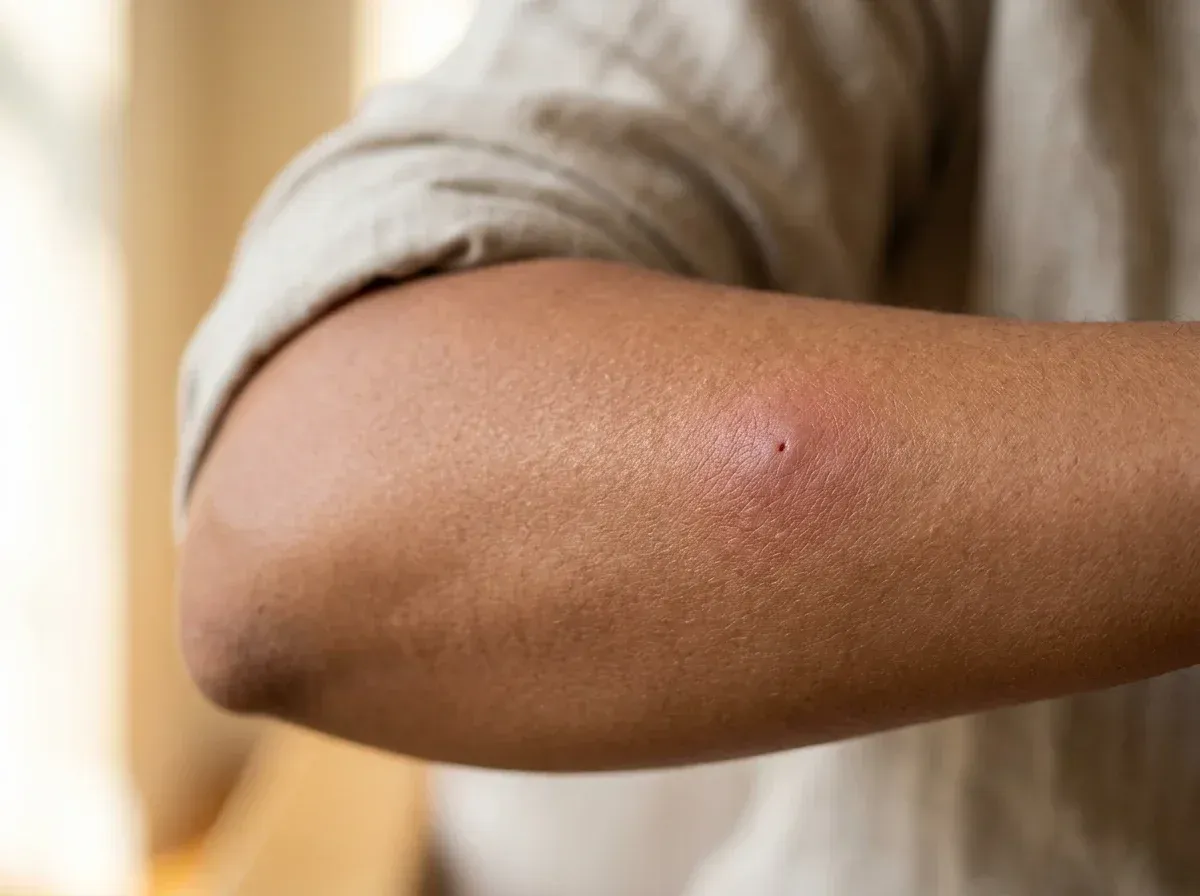
•Large local swelling (>10 cm) at sting site lasting more than 24 hours
•Generalised hives distant from the sting site
•Facial and throat swelling
•Difficulty breathing or wheezing
•Dizziness or loss of consciousness
•Rapid heartbeat and drop in blood pressure
•Nausea, vomiting or abdominal pain
•Anxiety or a sense of impending doom
Causes & Triggers
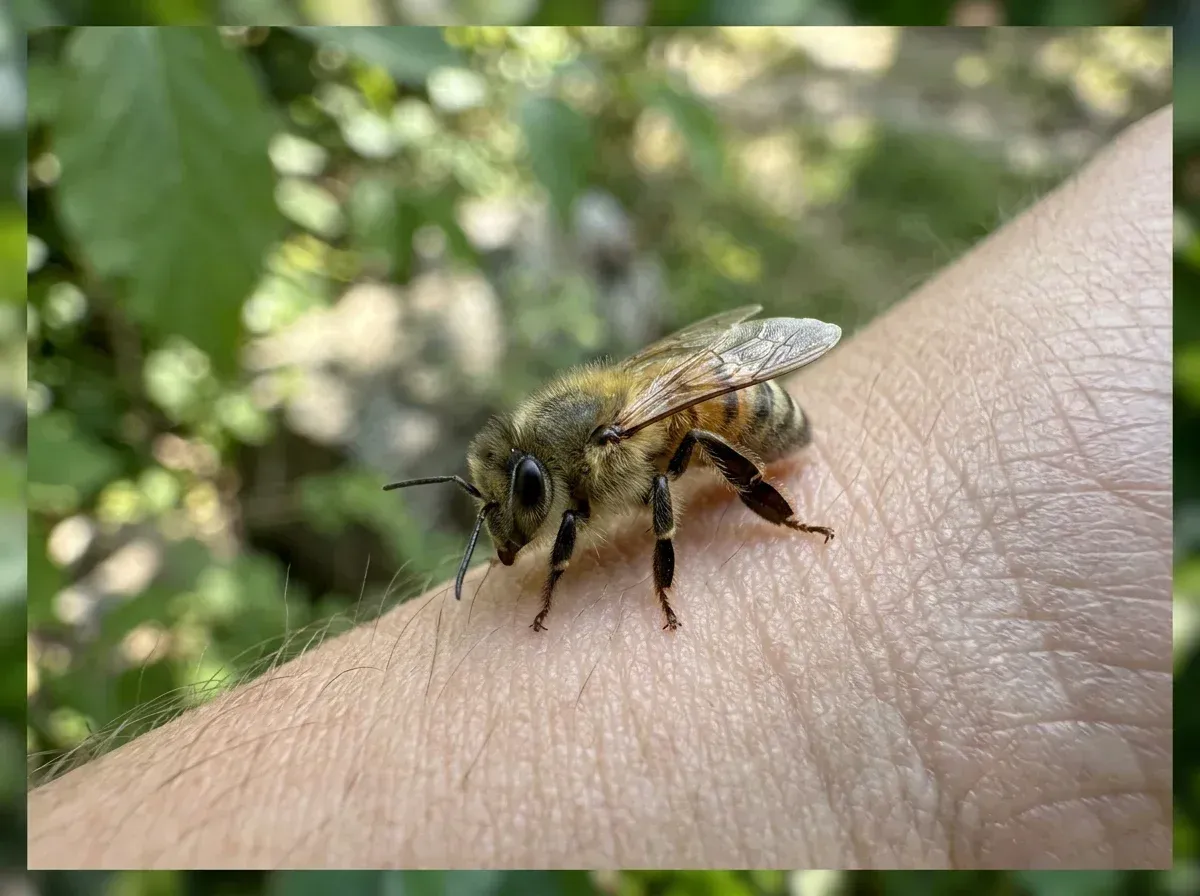
Insect venom allergy is triggered by IgE-mediated sensitisation to proteins in the venom of Hymenoptera insects - primarily the Indian honeybee (Apis cerana), the European honeybee (Apis mellifera, abundant in urban gardens and rooftop hives in Mumbai), paper wasps (Polistes species) common throughout Maharashtra, and hornets (Vespa species). In Mumbai and across Maharashtra, the risk of bee stings rises sharply during the monsoon (June–September) when swarms are disturbed by flooding, construction activity, and heavy rain-driven migration into residential areas. A single prior sting does not cause allergy - sensitisation typically requires at least one previous sting, and the first full allergic reaction occurs on a subsequent exposure.
How We Test
Diagnosis is confirmed by a combination of a thorough sting history and venom-specific IgE testing. Skin-prick tests and intradermal tests with commercial honeybee and wasp venom extracts are the most sensitive diagnostic tools and are performed 4–6 weeks after the reaction (earlier testing can yield false negatives due to post-anaphylaxis IgE depletion). Serum-specific ImmunoCAP tests for bee venom (Api m1, Api m3, Api m10) and wasp venom (Ves v1, Ves v5) molecular components improve diagnostic precision and guide immunotherapy selection.
Immediate treatment for a systemic reaction follows the anaphylaxis protocol - intramuscular adrenaline, antihistamines, steroids, and hospitalisation. All patients with confirmed systemic venom allergy should be prescribed an adrenaline auto-injector and carry it at all times, particularly during outdoor activities and the monsoon season. Venom immunotherapy (VIT) - subcutaneous injections of gradually increasing venom doses over 3–5 years - is the only curative treatment and reduces the risk of future systemic reactions from ~60% to under 5%. VIT is available at Mumbai Allergy Centre and is highly recommended for patients with severe systemic reactions.
Seek urgent allergy evaluation after any sting that causes symptoms beyond the sting site - especially hives, swelling of the face, or breathing difficulty.
Frequently Asked Questions
Yes, venom immunotherapy (VIT) is highly effective - it is a 3–5-year course of subcutaneous injections that provides lasting protection, reducing the risk of future systemic reactions from approximately 60% to under 5%. It offers up to 98% protection against severe reactions to future stings when completed fully.
Not necessarily. A large local reaction (swelling greater than 10 cm around the sting site that peaks at 24–48 hours) is considered an exaggerated local reaction, not a systemic allergy. However, it does indicate some degree of sensitisation, and your risk of a systemic reaction on the next sting is elevated. An allergist can assess whether venom testing and immunotherapy are warranted.
Mumbai's monsoon season (June–September) increases human-bee encounters because floodwaters destroy ground nests, driving bees to seek shelter in walls and balconies of homes and offices. Construction activity also disturbs established hives. This leads to a seasonal spike in sting incidents and anaphylaxis cases across Maharashtra.
Bee and wasp venoms contain different allergen proteins, so allergy to one does not automatically mean allergy to the other. Molecular component testing (ImmunoCAP) can distinguish true bee-specific from wasp-specific sensitisation, which is important because it determines which venom is used for immunotherapy.
With preparation, yes. Carrying an adrenaline auto-injector, wearing protective clothing outdoors, avoiding strong fragrances and bright floral clothing during outdoor activities, and completing venom immunotherapy significantly reduces your risk. After successful immunotherapy, most patients can tolerate stings with only a normal local reaction.
Take the next step
Living with insect allergy? Let’s find your trigger.