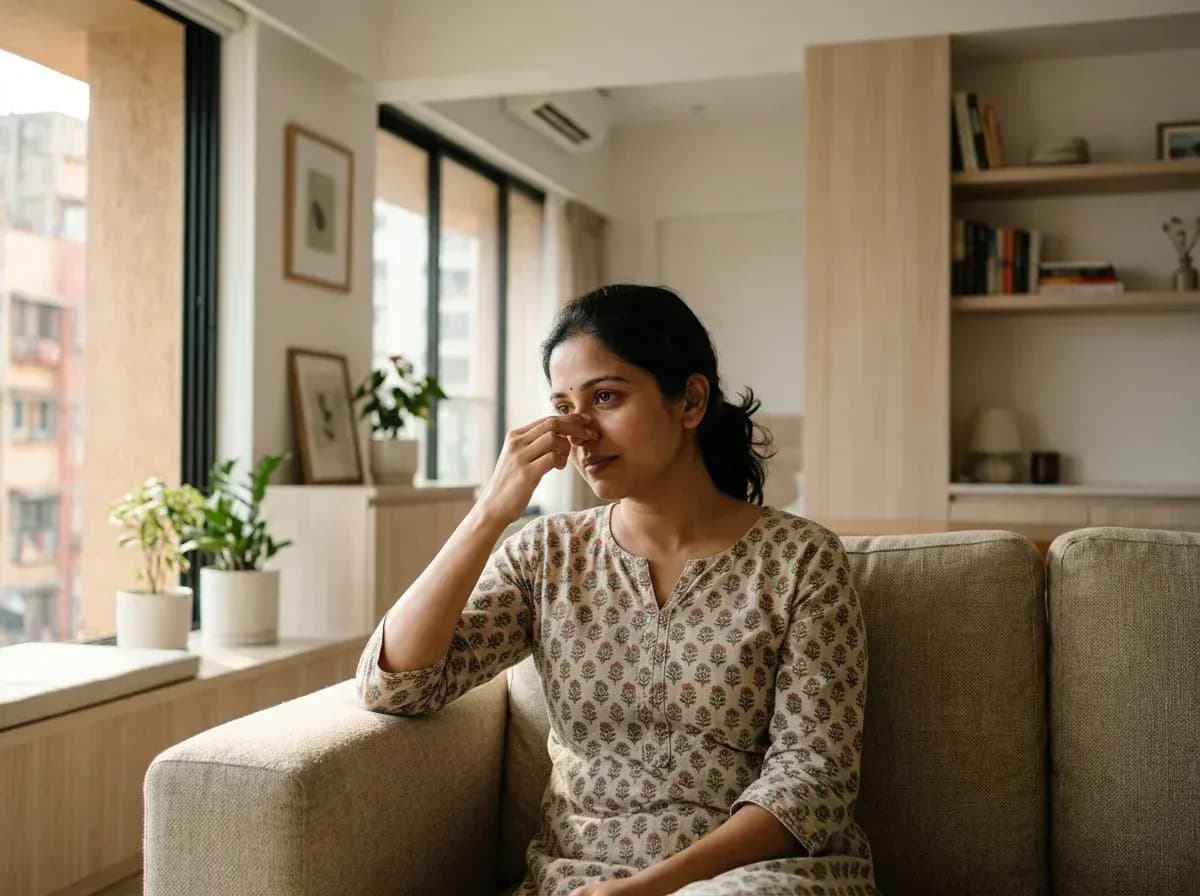
•Post-nasal drip causing throat irritation or chronic cough
•Sneezing, often in sudden bursts
•Reduced or lost sense of smell
•Facial pressure or headache
•Nasal symptoms that worsen in humidity or cold air
•Absence of itching of eyes, nose, or throat (distinguishing it from allergic rhinitis)
Causes & Triggers
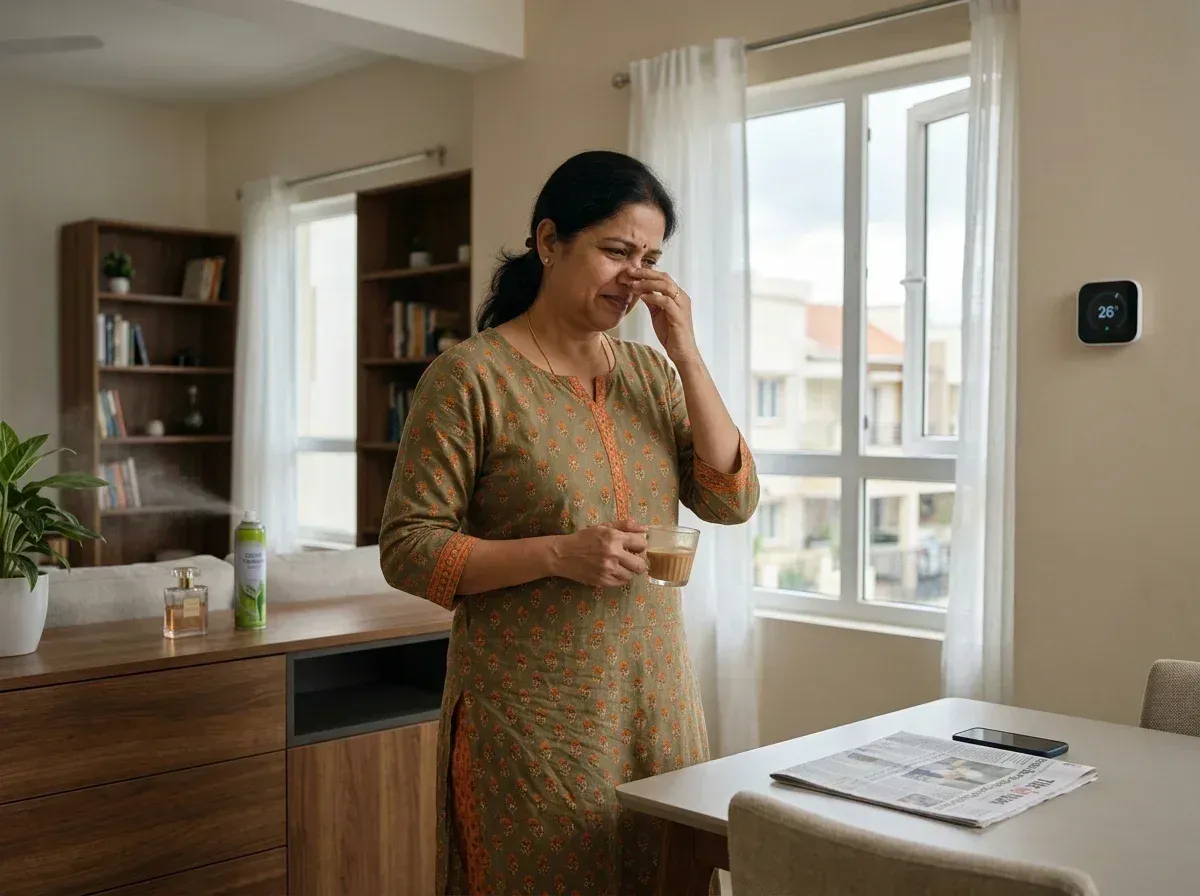
Non-allergic rhinitis is triggered by non-immune irritants rather than IgE-mediated allergy. In Mumbai, key triggers include vehicle exhaust and construction dust, extreme humidity during the monsoon, sudden temperature shifts between air-conditioned indoor spaces and hot outdoor air, and strong scents from incense (agarbatti), cooking spices, and chemical fumes. Hormonal changes (pregnancy, thyroid disorders), certain medications (NSAIDs, antihypertensives), and excessive use of nasal decongestant sprays (rhinitis medicamentosa) are also frequent causes seen in Indian patients.
How We Test
Diagnosis is largely clinical and is reached by excluding allergic rhinitis - allergy skin-prick tests and a blood specific-IgE panel are performed and return negative results. Nasal endoscopy helps assess for structural problems such as a deviated nasal septum or nasal polyps. In selected cases, a nasal cytology smear distinguishes eosinophilic non-allergic rhinitis (NARES) from purely vasomotor forms, guiding treatment choice.
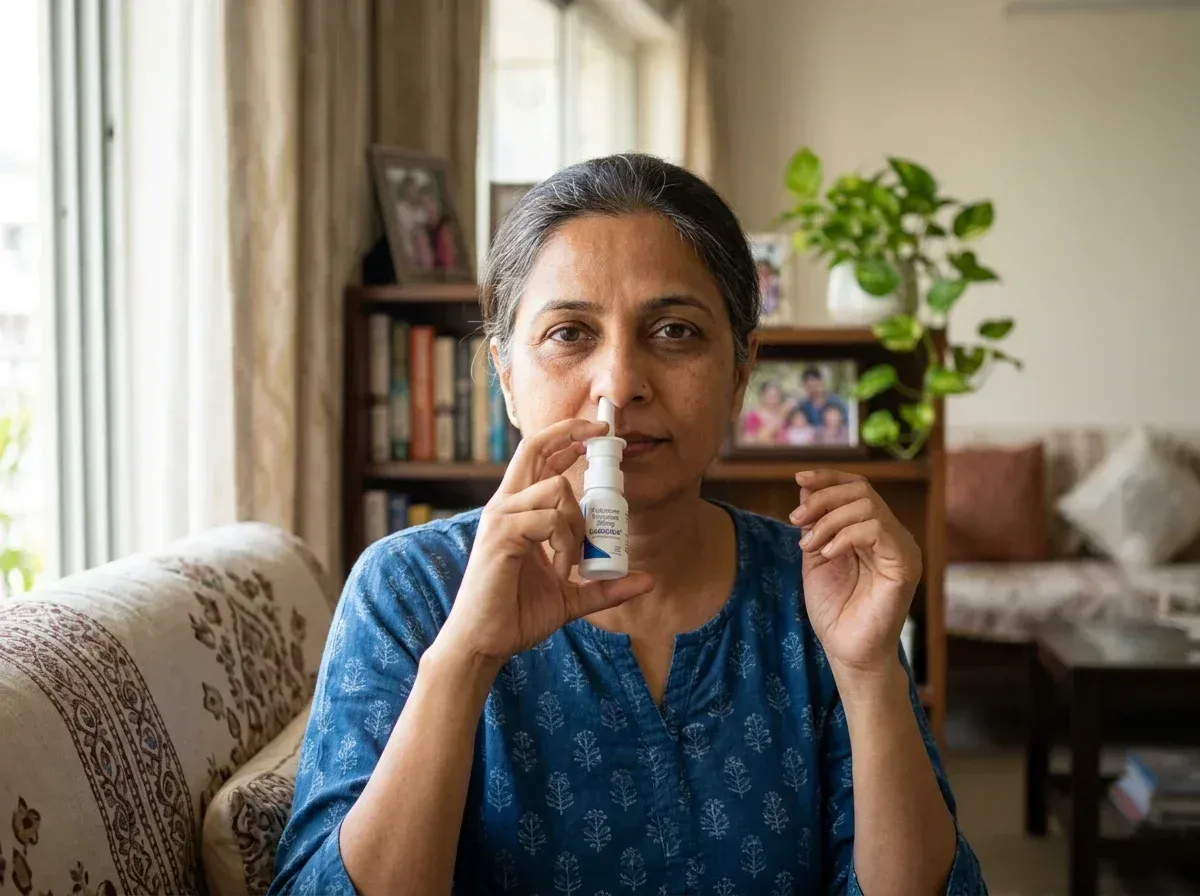
Avoidance of identified triggers - using N95 masks outdoors in Mumbai's polluted air, running air purifiers indoors, and keeping humidity below 60% - forms the foundation of management. Intranasal corticosteroid sprays (fluticasone, mometasone) are the first-line medical treatment, while ipratropium bromide spray is added for predominantly watery rhinitis. Patients with vasomotor rhinitis unresponsive to sprays may benefit from a supervised nasal saline irrigation routine and, in resistant cases, procedural interventions.
Consult a specialist if nasal symptoms persist beyond three months, significantly disrupt sleep or daily work, or are accompanied by recurrent sinus infections or nasal polyps.
Frequently Asked Questions
Allergic rhinitis is caused by an immune (IgE) response to specific allergens such as dust mites or pollen, and typically causes itchy eyes and nose. Non-allergic rhinitis has negative allergy tests - symptoms are triggered by irritants like pollution, smoke, humidity, or temperature changes rather than by allergens.
Yes. Particulate matter (PM2.5), vehicle exhaust, and construction dust prevalent in Mumbai are well-recognised triggers for vasomotor rhinitis. Wearing an N95 mask outdoors and using an indoor HEPA air purifier significantly reduces symptom frequency.
It is highly manageable but not always permanently curable. Many patients achieve excellent control with intranasal corticosteroid sprays, trigger avoidance, and nasal saline rinses. Persistent cases may benefit from procedural interventions that reduce nasal hyper-reactivity.
The dramatic rise in humidity during the monsoon swells nasal mucous membranes, promotes mould growth, and causes frequent temperature shifts - all classic triggers for non-allergic rhinitis. Using a dehumidifier indoors and rinsing nasal passages with saline can provide significant relief.
No. Decongestant sprays containing oxymetazoline or xylometazoline should not be used for more than 3–5 consecutive days. Prolonged use causes rebound congestion (rhinitis medicamentosa), which can be worse than the original problem. A doctor-prescribed intranasal steroid spray is safe for long-term use.
Take the next step
Living with non-allergic rhinitis? Let’s find your trigger.