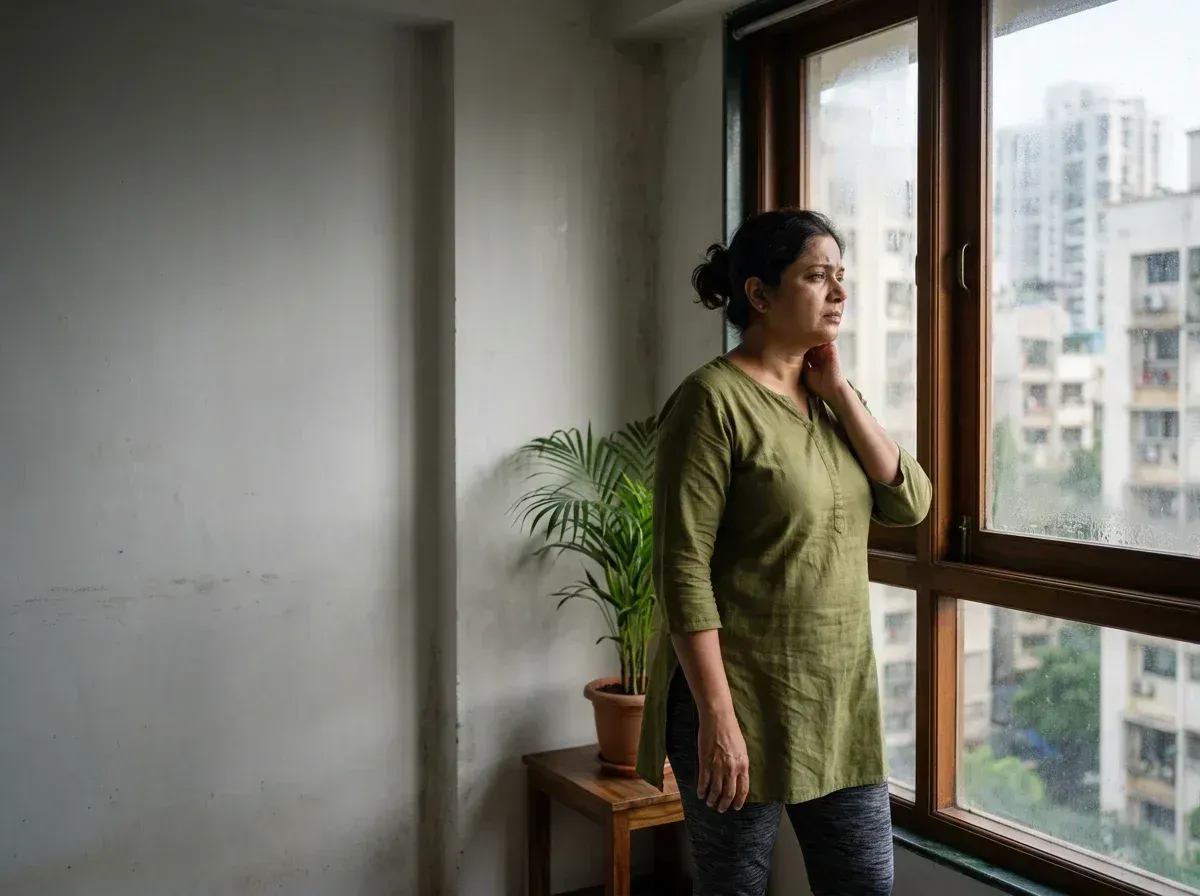
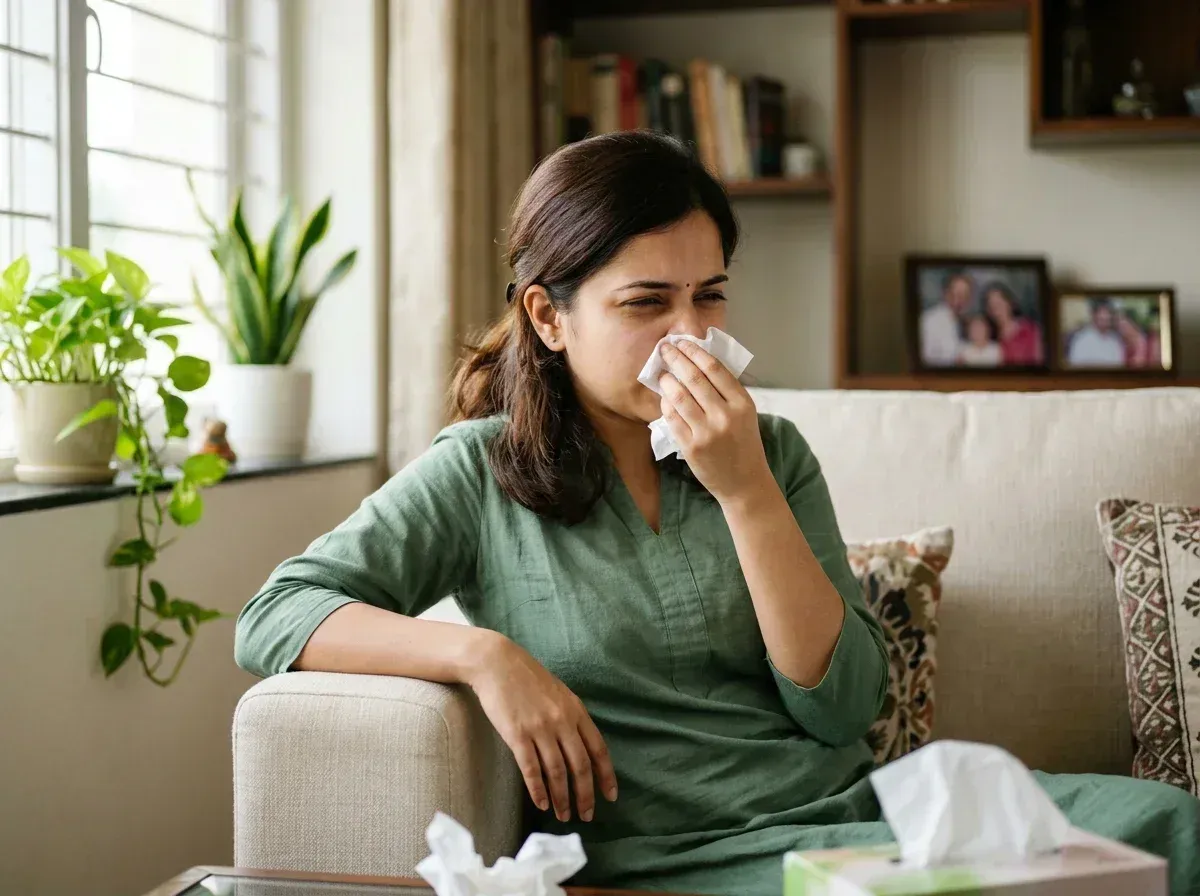
•Chronic or intermittent sneezing and nasal congestion worsening in damp conditions
•Persistent rhinorrhoea with post-nasal drip and throat clearing
•Wheezing, chest tightness, or breathlessness (mould-triggered asthma)
•Itchy, watery eyes with conjunctival redness
•Chronic dry or productive cough, especially in air-conditioned offices
•Skin rashes or worsening eczema in humid environments
•Fatigue and persistent headaches in damp indoor environments
•Recurrent sinusitis with thick, brown or greenish nasal secretions (allergic fungal sinusitis)
Causes & Triggers
Mumbai's hot, humid coastal climate makes it one of India's highest-risk cities for mould sensitisation. Aspergillus fumigatus, Cladosporium herbarum, Alternaria alternata, Penicillium species, and Helminthosporium are the most clinically important moulds in Mumbai aerobiology studies. Spore counts spike dramatically during and after the monsoon (June–October) as damp building materials, soil, decaying organic matter, stored grains, and air-conditioning systems harbour heavy fungal growth. Older buildings with water seepage, inadequate ventilation in kitchens and bathrooms, and Mumbai's tradition of storing wet coconut and organic materials indoors all contribute to high indoor spore loads.
How We Test
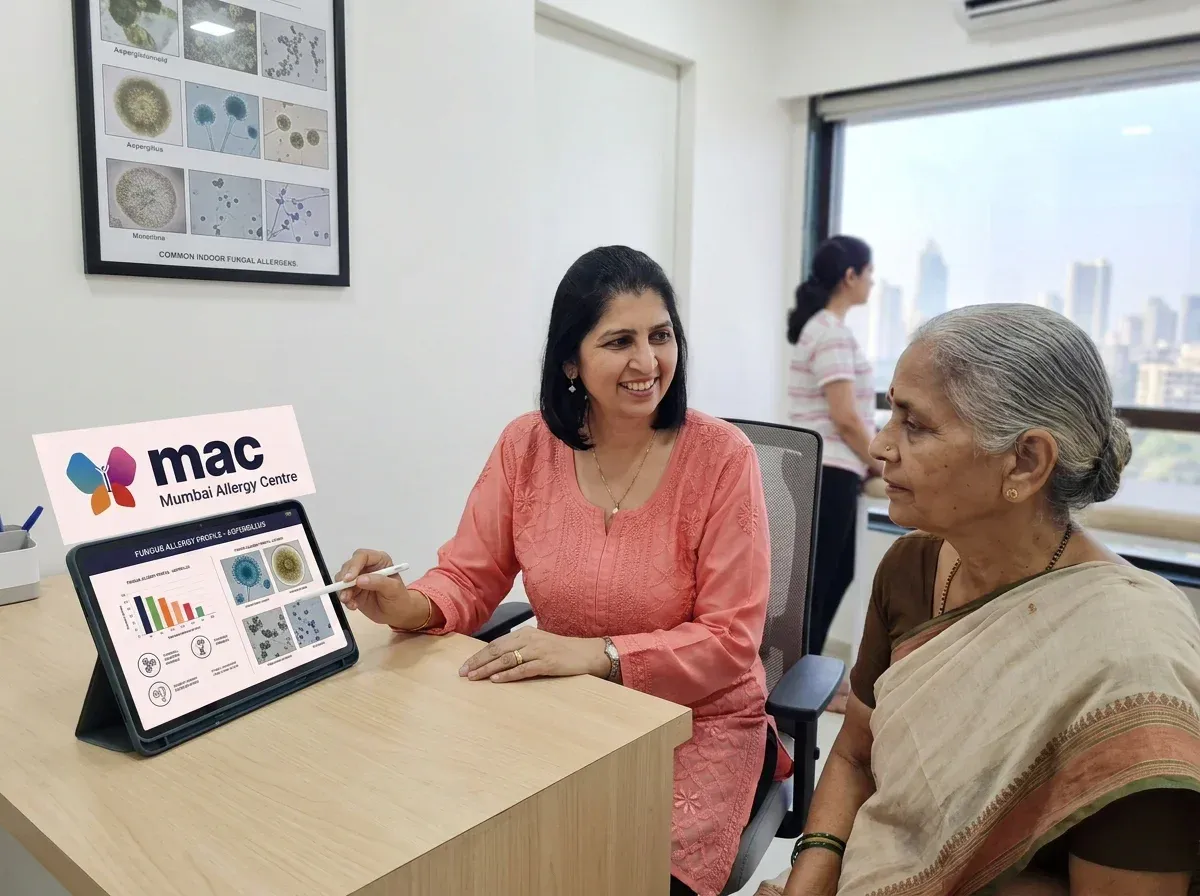
Skin prick testing with a comprehensive mould allergen panel (Aspergillus, Alternaria, Cladosporium, Penicillium, Helminthosporium, Candida) is the primary diagnostic tool, supplemented by serum-specific IgE. In cases of suspected allergic bronchopulmonary aspergillosis (ABPA) - a severe pulmonary complication of Aspergillus sensitisation common in asthmatic patients in India - additional tests include total serum IgE (markedly elevated), Aspergillus-specific IgE and IgG precipitins, and a chest CT.
Environmental remediation is the cornerstone: identifying and eliminating indoor mould sources, maintaining indoor relative humidity below 50% using dehumidifiers (critical during Mumbai's monsoon), and using air purifiers with HEPA and activated carbon filters. Pharmacological treatment includes intranasal corticosteroids, antihistamines, and montelukast. Subcutaneous allergen immunotherapy with standardised mould extracts has demonstrated efficacy and is available at specialist allergy centres. ABPA requires systemic antifungal therapy (itraconazole) alongside corticosteroids.
See an allergist if symptoms consistently worsen in damp indoor spaces or during Mumbai's monsoon, if you have asthma that is difficult to control, or if a doctor suspects allergic fungal sinusitis or ABPA.
Frequently Asked Questions
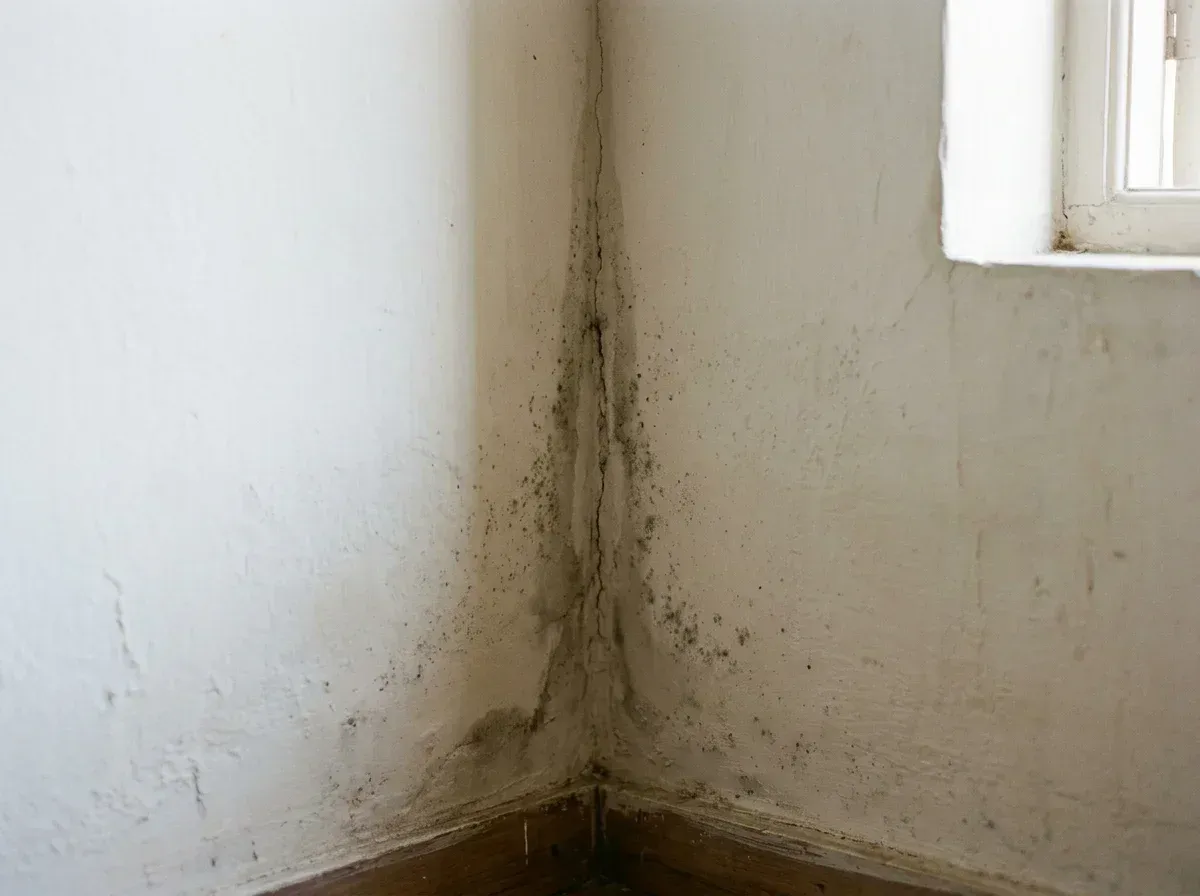
Tell-tale signs include symptoms that worsen indoors (especially in the kitchen, bathroom, or after monsoon water seepage), visible mould patches on walls or ceilings, a musty smell, and symptoms that improve when you leave the building for several days. Allergy skin prick testing to mould species confirms immune sensitisation.
Allergic bronchopulmonary aspergillosis (ABPA) is a severe hypersensitivity reaction to Aspergillus mould growing within the airways of asthmatic patients. India - including Mumbai - has one of the world's highest ABPA burdens, likely due to heavy environmental Aspergillus exposure combined with a high prevalence of untreated asthma. It causes recurring chest 'infections' and, if untreated, irreversible bronchiectasis.
Small surface mould patches (less than one square foot) on non-porous surfaces can be cleaned with dilute bleach solution while wearing gloves and an N95 mask. However, Mumbai's monsoon-related seepage typically causes deep structural mould colonisation inside walls that requires professional remediation - surface cleaning alone is insufficient and disturbing large mould colonies releases massive spore bursts that worsen symptoms.
Properly maintained air conditioners with clean HEPA filters improve indoor air quality by reducing humidity and filtering spores. However, if AC filters, drip trays, and coils are not cleaned regularly - as is common in Mumbai - they become breeding grounds for Aspergillus and Penicillium, actively spraying spores into the room. Clean your AC filter every 4 weeks and have the unit professionally serviced before and after each monsoon.
Use dehumidifiers to keep indoor relative humidity below 50–55%, fix any water seepage or leaks promptly, ensure good ventilation in bathrooms and kitchens, remove carpets in damp-prone areas, and use a HEPA air purifier. Avoid keeping damp organic materials (wet grains, coconut) stored indoors for extended periods.
Take the next step
Living with fungus allergy? Let’s find your trigger.