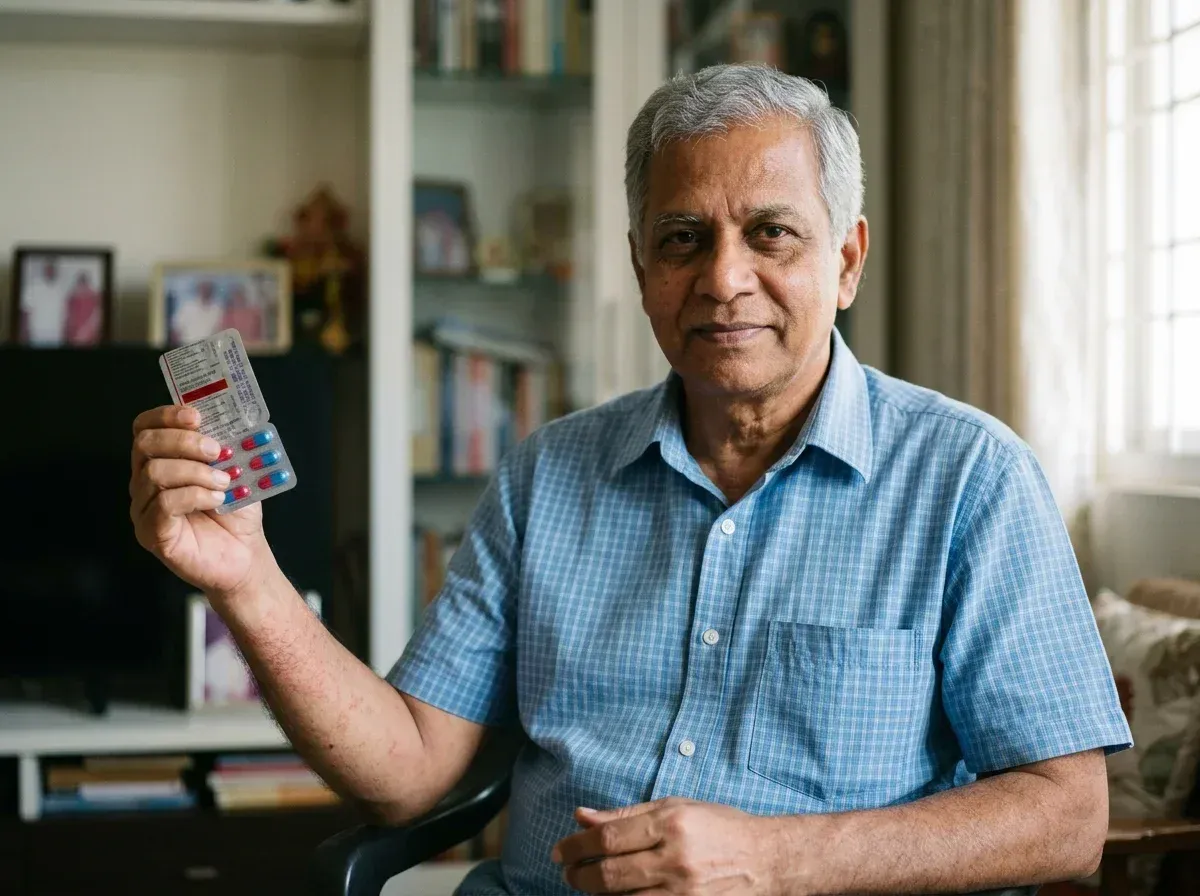
•Aspirin or NSAID allergy in patients requiring antiplatelet therapy after coronary stent implantation
•Hypersensitivity to chemotherapy agents (carboplatin, paclitaxel) in cancer patients
•Insulin allergy in insulin-dependent (Type 1) diabetes
•Allergy to a biologic therapy (infliximab, rituximab) needed for autoimmune disease
Causes & Triggers
Drug desensitisation is indicated when a patient has a confirmed IgE-mediated or pharmacological allergy to a drug that is the safest or only effective option for their condition. Common situations in India include: penicillin allergy in patients with neurosyphilis or enterococcal endocarditis where penicillin remains the drug of choice; aspirin allergy in patients requiring dual antiplatelet therapy following coronary stent implantation (a growing need in Mumbai's large cardiac population); carboplatin or paclitaxel hypersensitivity in gynaecological or lung cancer patients at Mumbai's cancer centres; and cotrimoxazole allergy in HIV-positive patients requiring prophylaxis. The procedure works by incrementally occupying IgE receptors on mast cells and basophils with sub-threshold doses, reducing the cell's capacity to release histamine in response to the full therapeutic dose.
How We Test
Before desensitisation, a full drug allergy evaluation - including skin-prick testing, intradermal testing, and where appropriate serum-specific IgE - confirms the allergy and assesses the risk level. Pre-procedural investigations include a full blood count, liver and kidney function tests, a 12-lead ECG, and spirometry in patients with asthma. Risk stratification determines whether the procedure should be performed in a day-care setting or requires ICU monitoring. A standardised written protocol is prepared listing the drug, diluent, concentration steps, doses, and time intervals, in accordance with international desensitisation guidelines (WAO/AAAAI).
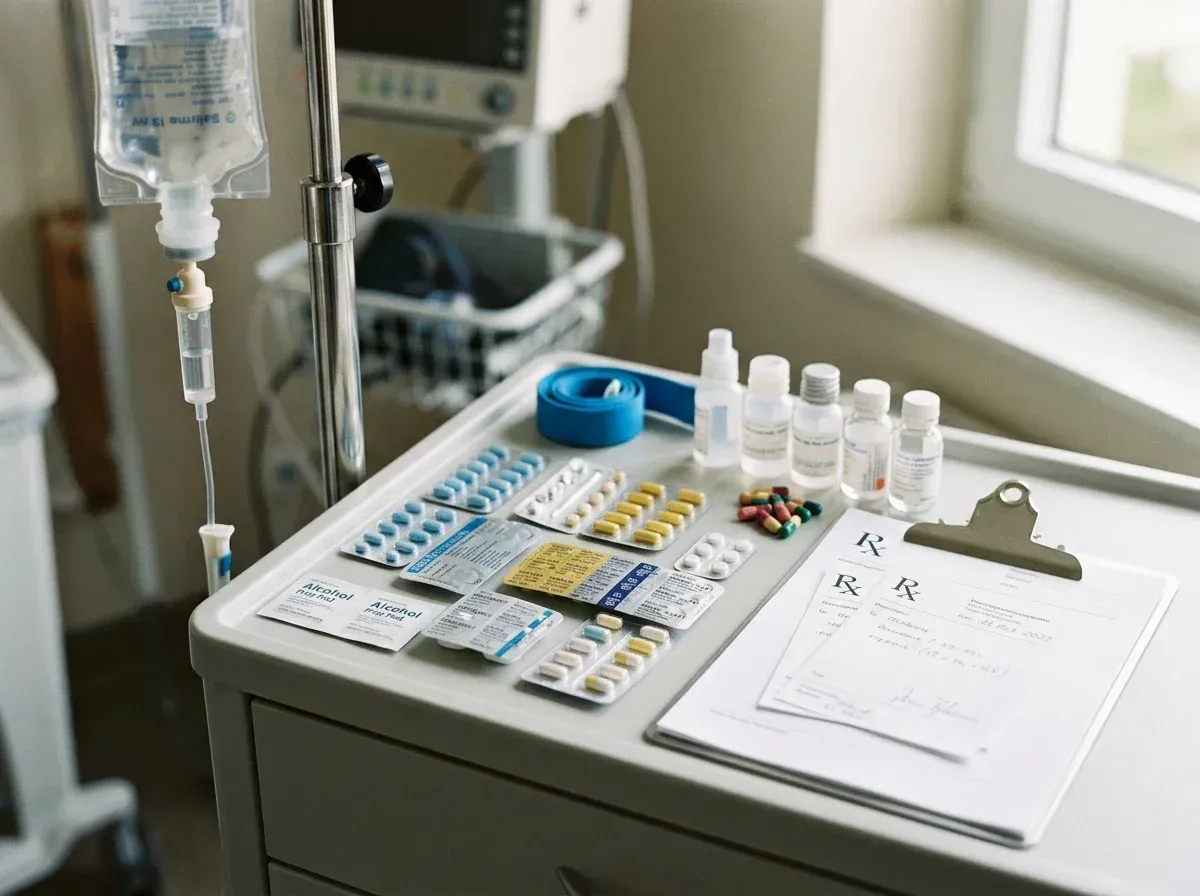
The desensitisation protocol involves administering the drug in stepwise doubling doses - typically starting at 1/10,000th of the therapeutic dose - at 15–30-minute intervals under continuous vital-sign monitoring, with resuscitation drugs and equipment immediately available. The procedure typically takes 4–12 hours depending on the drug and protocol. Once the full therapeutic dose is tolerated, the patient must be maintained on the drug continuously - any interruption of dosing for 48 hours or more typically restores allergy and requires a repeat desensitisation. Mumbai Allergy Centre performs drug desensitisations in coordination with the patient's treating specialty (cardiology, oncology, infectious disease) to ensure seamless care.
Consult an allergist before you are scheduled for surgery, chemotherapy, or any procedure requiring a drug you are known to be allergic to - early evaluation allows safe planning.
Frequently Asked Questions
No, it is temporary. Desensitisation creates a temporary, drug-specific state of tolerance by administering incrementally increasing doses in a single session. If the drug is stopped for more than 48 hours, the allergy typically returns and the protocol must be repeated. This is distinct from allergen immunotherapy, which can provide lasting tolerance.
Drug desensitisation induces a temporary state of tolerance by administering incrementally increasing doses of the offending drug in a single session. Unlike allergen immunotherapy (which re-trains the immune system over years and provides lasting tolerance), desensitisation must be maintained by continuous daily dosing - stopping the drug for more than 48 hours typically resets the allergy.
When performed by a trained allergist in a monitored setting with full resuscitation facilities, drug desensitisation has a strong safety record. Mild reactions (flushing, urticaria) occur in 30–50% of protocols and are manageable. Severe reactions are rare (less than 1–2% of procedures) but possible, which is why the procedure is never performed at home or in unequipped settings. Mumbai Allergy Centre follows international WAO/AAAAI protocol standards.
Yes. Aspirin is essential for patients with coronary artery disease, especially after coronary stent placement. Patients allergic to aspirin who require antiplatelet therapy can undergo supervised aspirin desensitisation - a proven protocol that allows safe long-term aspirin use. This service is in high demand at Mumbai's tertiary cardiac centres and is coordinated between cardiologists and allergists.
Most drug desensitisation protocols take between 4 and 12 hours and are performed as a day-care admission. Chemotherapy desensitisations (e.g., carboplatin, paclitaxel) follow specialised multi-bag IV protocols that may take a full day. After the procedure, the patient is observed for 1–2 hours before discharge. For ongoing courses (e.g., monthly carboplatin), the desensitisation is repeated at each cycle if there have been interruptions in exposure.
Take the next step
Living with drug desensitization? Let’s find your trigger.