
A cough that returns every monsoon and lasts for weeks is rarely a simple infection. It is usually an allergic cough driven by mould spores and dust mites, which can also indicate cough-variant asthma. A formal allergy evaluation can confirm the trigger and prevent yearly recurrence.
Back to blog
Seasonal
Monsoon Allergies in Mumbai: Why Your Cough, Cold & Wheezing Spike Every June
Reviewed by Dr. Sunita Chhapola Shukla
Published: 26 May 2026
Updated: 15 June 2026
6 min read
Clinical Summary
When the Mumbai monsoon arrives, indoor humidity, damp walls, and mould spores explode, triggering a surge in allergic rhinitis and asthma. Learn why your symptoms worsen every June to September and how to break the seasonal cycle.
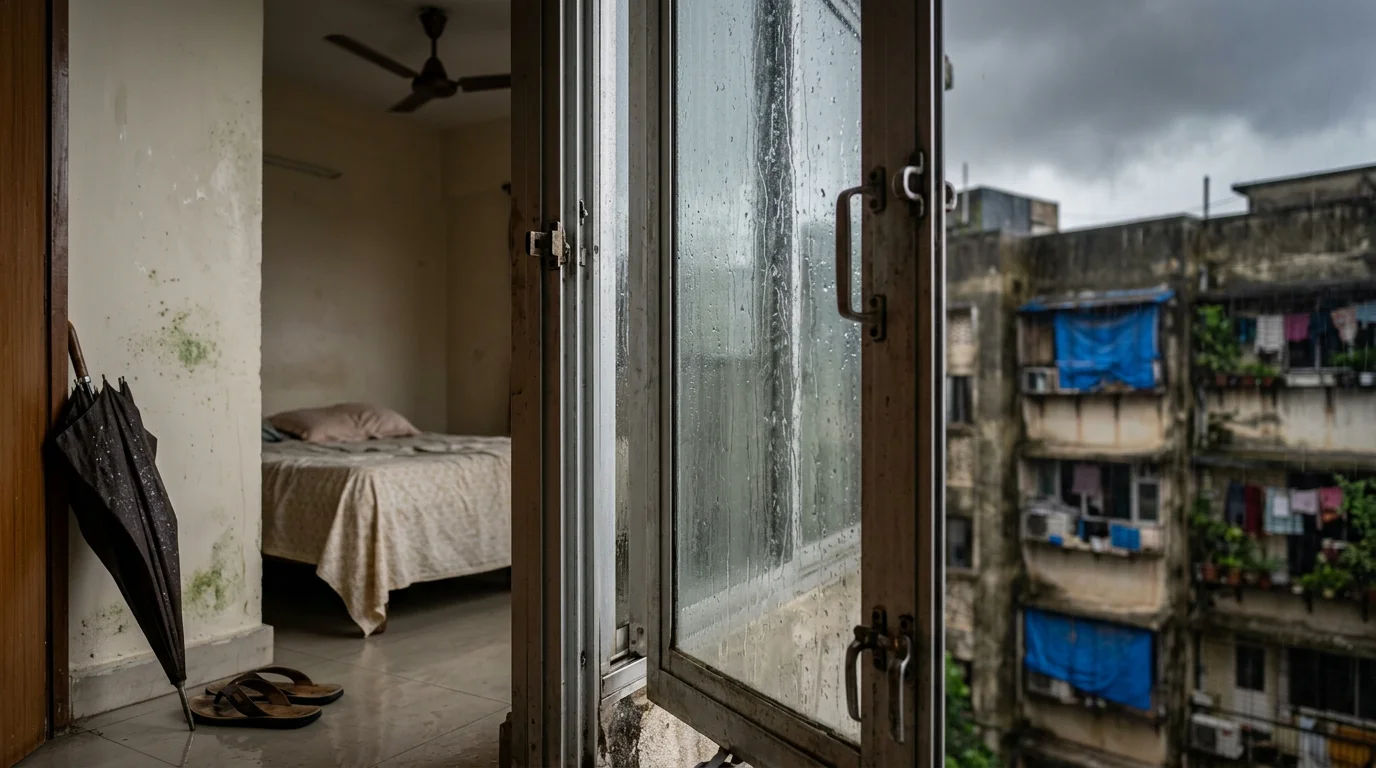
Every year, as the first heavy showers hit Mumbai in June, allergy clinics see a predictable wave of patients with relentless coughing, blocked noses, sneezing, and chest tightness. Most people blame a 'monsoon viral' or 'seasonal cold' and reach for over-the-counter medicines. But when these symptoms last for weeks, recur every single monsoon, and refuse to settle, the real culprit is usually not a virus, it is a sharp seasonal rise in allergens like mould and house dust mites, driving Allergic Rhinitis and allergic asthma.
Why Mumbai's Monsoon is an Allergy Trigger Machine
The monsoon transforms Mumbai's indoor environment into a breeding ground for two of the most potent perennial allergens. Relative humidity routinely crosses 85%, damp seeps into walls and cupboards, and ventilation drops as windows stay shut against the rain. This creates the ideal climate for biological allergens to multiply explosively:
- Mould & Fungal Spores: Damp walls, leaking ceilings, bathroom tiles, and wet shoes allow mould colonies to flourish. Each colony releases millions of microscopic spores into the air, which you inhale around the clock. This is the core driver of monsoon-onset fungus allergy.
- House Dust Mites: These microscopic pests need 70–80% humidity to reproduce. The monsoon pushes indoor humidity well past this threshold, causing dust mite populations in mattresses, sofas, and curtains to surge.
- Reduced Sunlight & Ventilation: Closed, damp homes trap allergens indoors, dramatically increasing your daily exposure and inflammatory load.
“Patients often tell me their 'cold' has lasted the entire monsoon. A cold lasts 7 to 10 days. A symptom that returns every June and lingers for three months is not an infection, it is an untreated seasonal allergy.”— Dr. Sunita Chhapola Shukla
Monsoon Cold vs. Monsoon Allergy: How to Tell the Difference
Distinguishing a viral infection from an allergic flare is the first step toward correct treatment. Reaching for antibiotics for an allergy is both ineffective and harmful. These are the key differences:
- Duration: A viral cold resolves in about a week. Allergic symptoms persist for weeks or the entire season.
- Fever: Allergies almost never cause fever. A genuine infection often does.
- Discharge: Allergies produce clear, watery nasal discharge. Bacterial infections produce thick yellow-green mucus.
- Itch: Itching of the nose, eyes, throat, and palate is a hallmark of allergy and is absent in a simple cold.
- Pattern: Allergic symptoms recur predictably every monsoon and often worsen indoors or at night.
Why Monsoon Allergies Frequently Trigger Asthma
For many Mumbai residents, the monsoon is when a 'simple nasal allergy' first descends into the chest. Mould spores are extremely small and can travel deep into the lower airways, inflaming the bronchial tubes and triggering coughing fits, wheezing, breathlessness, and night-time chest tightness. This progression of upper-airway allergy into allergic asthma and chronic cough is well documented. If you find yourself wheezing or coughing through the night each rainy season, it is a clear signal to get formally evaluated rather than relying on repeated courses of antibiotics.
Practical Steps to Control Monsoon Allergies at Home
Reducing your allergen exposure during the rains can significantly lower your symptom burden. Focus on controlling indoor dampness:
- Control Humidity: Run an air conditioner or dehumidifier to keep indoor humidity below 55%. This single step suppresses both mould and dust mite growth.
- Fix Leaks & Damp Walls: Repair seepage promptly and wipe down damp surfaces with anti-fungal cleaners before mould visibly spreads.
- Ventilate Bathrooms & Kitchens: These are the dampest rooms. Use exhaust fans and keep them dry.
- Dry Footwear & Umbrellas Outside Bedrooms: Wet items are a major mould source; never store them inside sleeping areas.
- Wash Bedding Weekly in Hot Water: Hot water (60°C) kills dust mites that multiply in humid bedding.
When Home Measures Aren't Enough
Avoidance helps, but Mumbai's ambient monsoon humidity is nearly impossible to fully escape. A simple Skin Prick Test can confirm in 20 minutes whether mould, dust mites, or both are driving your symptoms. For patients with severe, recurring seasonal allergies, allergen immunotherapy retrains the immune system for long-term tolerance, ending the yearly cycle. To understand the year-round dust mite component, read our guide on morning sneezing and Mumbai humidity.

Author & Clinical Reviewer
Dr. Sunita Chhapola Shukla
Director of Mumbai Allergy Centre
MS (ENT), DNB, DAA (Gold, Harvard/Boston Food Allergy Centre)
Cited Sources & Medical References
- Denning, D. W. et al. (2014). 'Fungal allergy in asthma: state of the art and research needs.' Clinical and Translational Allergy, 4, 14.
- Singh, A. B. & Kumar, P. (2022). 'Aerobiology and fungal allergens in humid tropical climates of India.' Indian Journal of Allergy, Asthma and Immunology, 36(1), 3-12.
- Bousquet, J. et al. (2020). 'Allergic Rhinitis and its Impact on Asthma (ARIA) guidelines.' World Allergy Organisation Journal, 13(3), 100-112.
Q&A
Frequently Asked Questions
Medical clarifications directly from Dr. Sunita Shukla
Frequently Asked Questions
Mould avoidance and dampness control reduce symptoms, but for confirmed, moderate-to-severe mould or dust mite allergy, immunotherapy is the only disease-modifying treatment that can build long-term tolerance and reduce dependence on daily medication.
Take Control of Your Health
Don't let allergies hold you back. Consult Dr. Sunita Shukla.
Confirm your allergen triggers with standard in-clinic diagnostics and get a long-term desensitization plan.