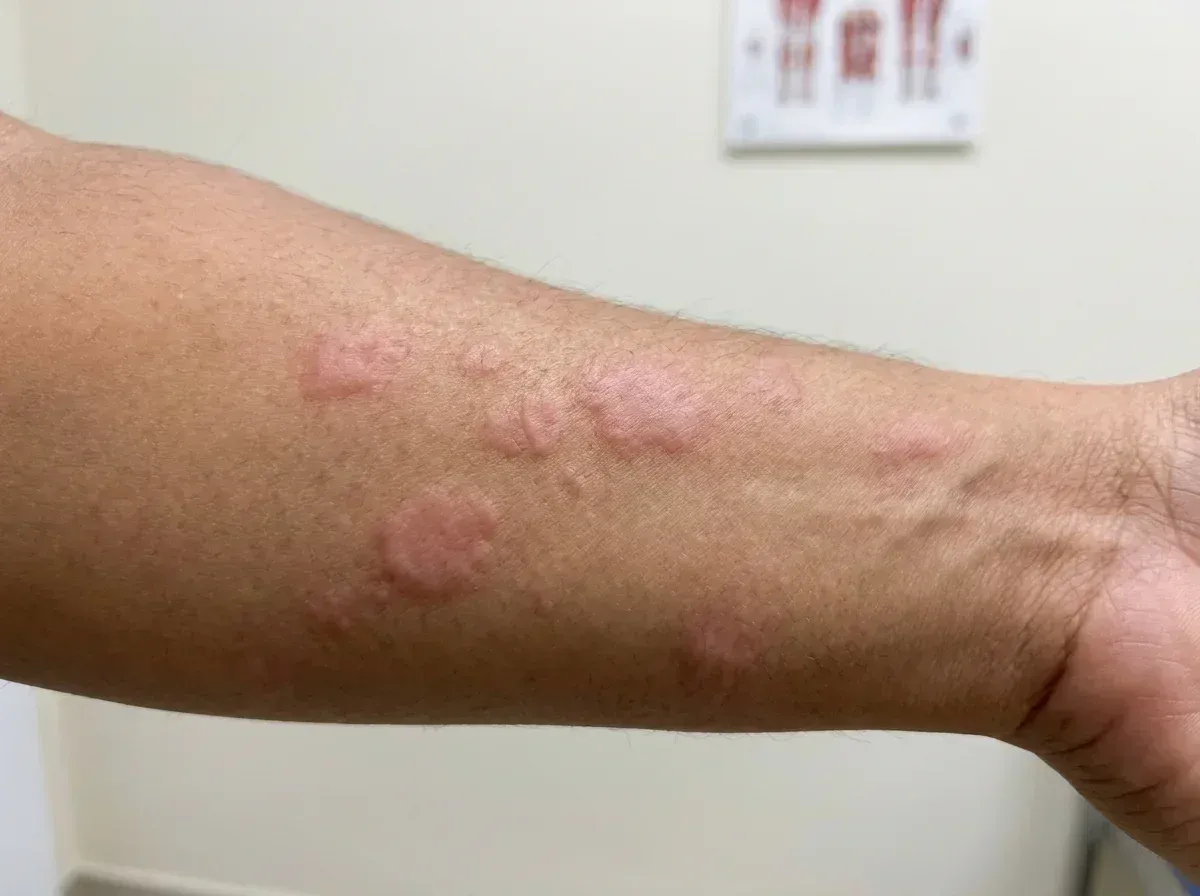
•Raised, red or skin-coloured itchy welts (wheals) anywhere on the body
•Wheals that change shape, migrate, or disappear within 24 hours
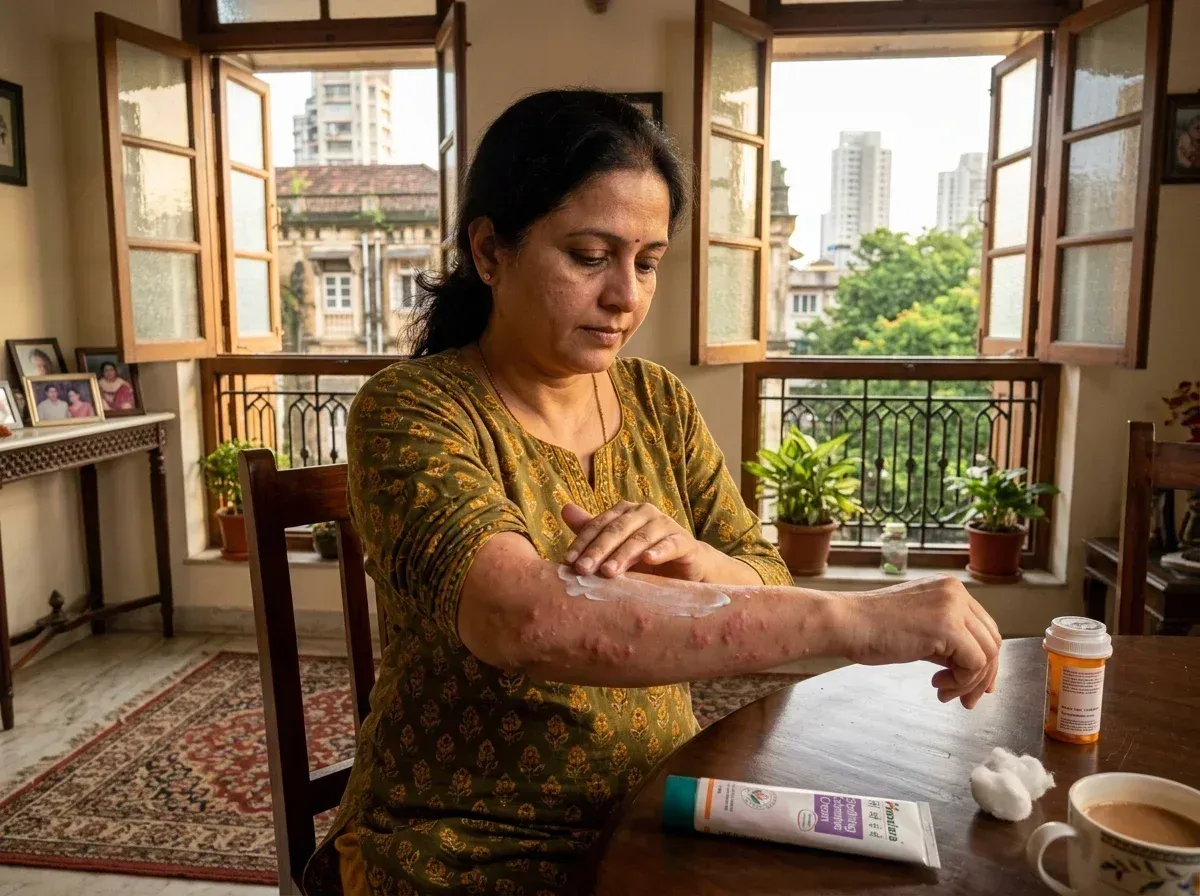
•Intense itching or burning sensation
•Blanching of lesions when pressed
•Swelling of lips, eyelids, or face (angioedema) in some cases
•Worsening of symptoms at night
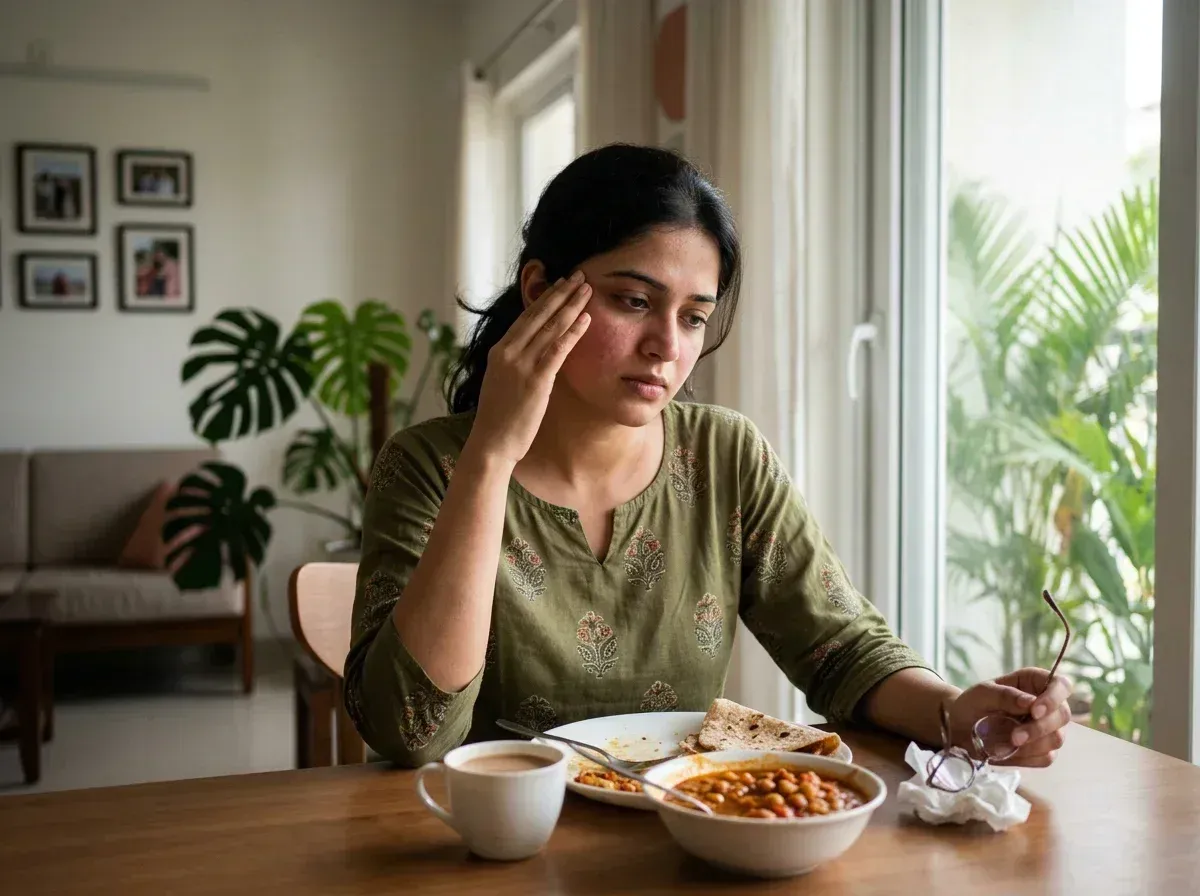
•Sleep disruption due to relentless itch
•Recurring episodes lasting more than 6 weeks (chronic urticaria)
Causes & Triggers
Urticaria results from mast cells releasing histamine and other mediators into the skin, causing localised swelling. Acute urticaria in India is commonly triggered by food (shellfish, peanuts, tree nuts, mangoes, food preservatives), medications (aspirin, NSAIDs, antibiotics), insect stings, and viral infections. Chronic spontaneous urticaria - the type most often seen at allergy clinics in Mumbai - is autoimmune in up to 45% of cases. Additional triggers prevalent in Mumbai include heat, sweating in humid conditions (cholinergic urticaria), pressure from tight clothing, synthetic fabrics, hard water for bathing, and topical products containing fragrance or preservatives.
How We Test
A detailed clinical history identifies likely triggers. For chronic urticaria, baseline blood tests include a complete blood count, ESR, CRP, thyroid antibodies (anti-TPO), and a serum total IgE. The Autologous Serum Skin Test (ASST) or the Basophil Activation Test helps confirm autoimmune urticaria. Food-specific IgE testing and skin-prick tests are ordered when a dietary trigger is suspected. A skin biopsy is occasionally performed to exclude urticarial vasculitis.
Second-generation non-sedating antihistamines (cetirizine, fexofenadine, loratadine) taken daily - sometimes at up to four times the standard dose under medical supervision - are the cornerstone of treatment. When antihistamines alone are insufficient, the biological agent omalizumab (an anti-IgE monoclonal antibody) has transformed outcomes for chronic spontaneous urticaria and is now available at specialist centres in Mumbai. Short courses of oral corticosteroids are reserved for severe acute flares. Choosing fragrance-free toiletries, bathing in filtered or low-mineral water, and wearing loose cotton clothing all reduce flare frequency.
Seek immediate care if hives are accompanied by throat tightening, difficulty swallowing, or breathlessness; otherwise consult a specialist for any urticaria that persists beyond six weeks.
Frequently Asked Questions
It is a condition where hives appear daily or almost daily for more than 6 weeks, often without a clear external allergic trigger. Up to 45% of cases have an autoimmune basis - the immune system produces antibodies that directly activate mast cells, releasing histamine without any external allergen.
Chronic urticaria by definition lasts more than 6 weeks. About 50% of patients are clear within one year with treatment, but up to 20% can have symptoms for 5 years or more. With modern therapies such as high-dose antihistamines and omalizumab, most patients achieve excellent symptom control.
Hard water, which is high in calcium and magnesium, can irritate sensitive skin and disrupt the skin barrier, potentially triggering or worsening urticaria in predisposed individuals. Using a shower filter and switching to pH-balanced, fragrance-free cleansers often helps reduce flares.
Yes. Omalizumab is approved in India for chronic spontaneous urticaria and is administered as a monthly subcutaneous injection at allergy clinics in Mumbai. It is highly effective even in patients who have not responded to antihistamines, with over 70% of patients becoming hive-free.
For chronic spontaneous urticaria, food allergy is rarely the cause, and broad food elimination is generally not recommended. However, a low-pseudoallergen diet (avoiding artificial colours, preservatives, and high-histamine foods like fermented products, aged cheese, and processed meats) can reduce the overall mast-cell load and may help some patients during flares.
Take the next step
Living with urticaria (hives)? Let’s find your trigger.