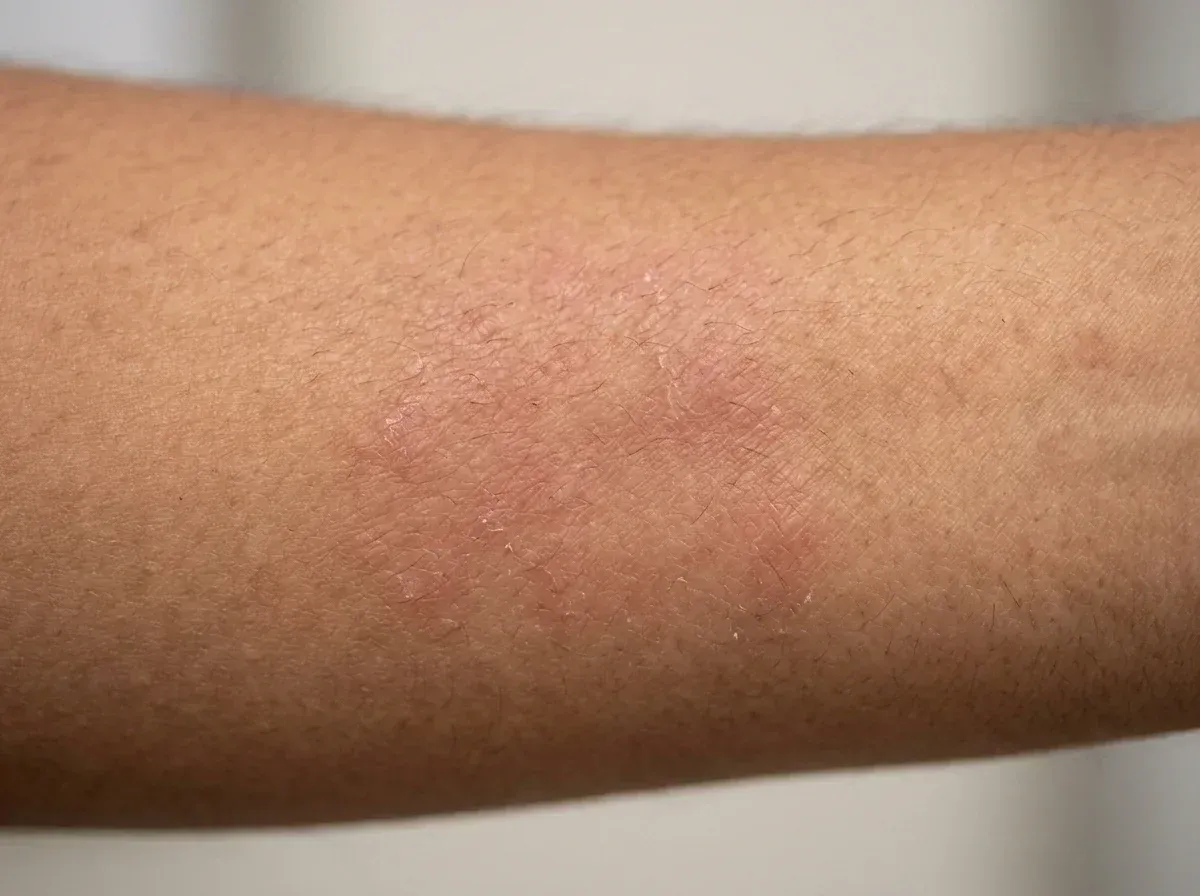
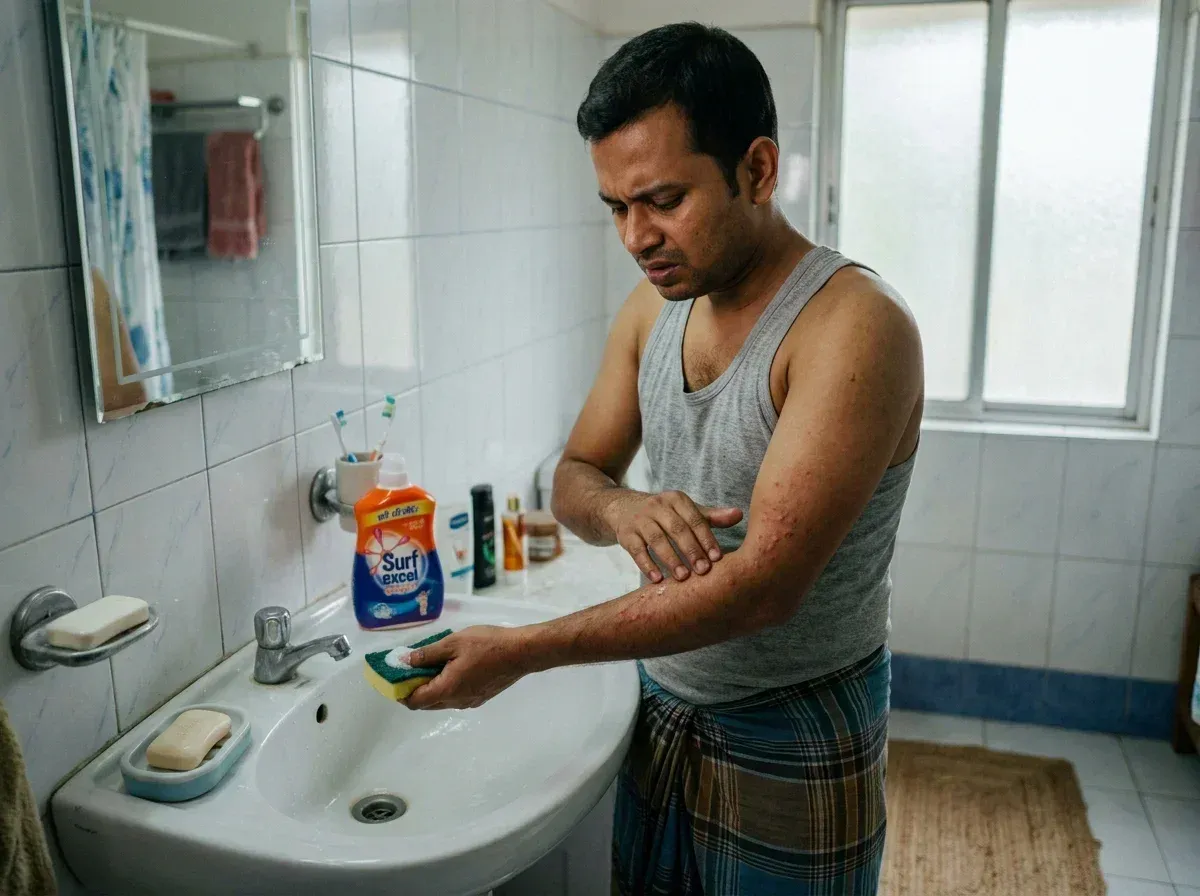
•Intense, persistent itching - typically worse at night
•Dry, scaly, or thickened patches of skin
•Red to brownish-grey rash on cheeks, elbows, knees, wrists, or ankles
•Small raised bumps that may weep fluid when scratched
•Crusted, cracked, or raw skin from repeated scratching
•Darkening or thickening of skin in chronic areas (lichenification)
•Repeated skin infections (Staphylococcus aureus) in affected areas
•Disrupted sleep and reduced quality of life due to itch
Causes & Triggers
Atopic dermatitis arises from a combination of a defective skin barrier (often linked to mutations in the filaggrin gene) and an overactive Th2 immune response. In India, the high burden of disease is driven by year-round heat and humidity in cities like Mumbai, heavy air pollution that penetrates compromised skin, and early-life exposure to dust mites, cockroach allergens, and mould in densely populated housing. Commonly used products in Indian households - including coconut oil applied to infant skin, talcum powder, harsh detergents, and fairness creams containing bleaching agents - can disrupt the skin barrier and precipitate flares. A family history of asthma, allergic rhinitis, or eczema (atopic march) is present in the majority of patients.
How We Test
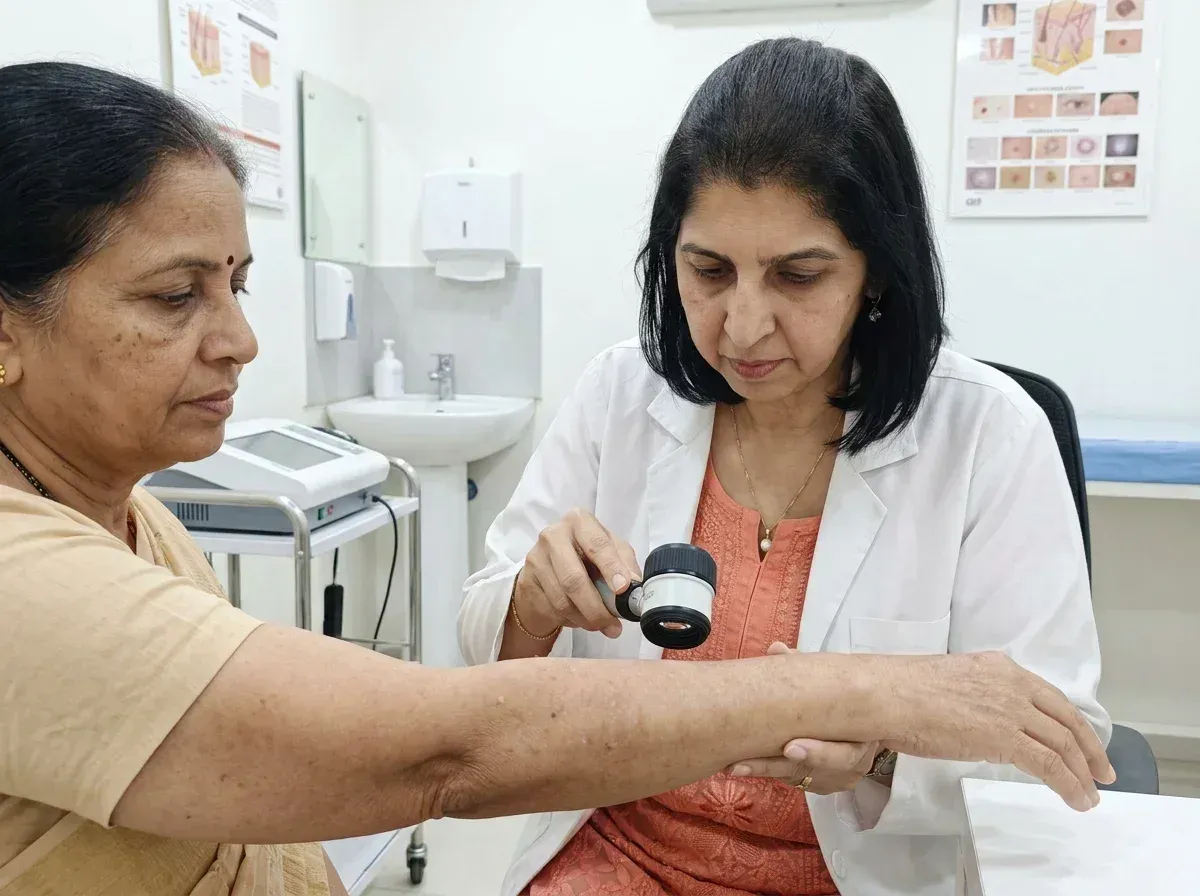
Diagnosis is clinical, based on validated criteria supported by patient history and examination. A serum total IgE and peripheral eosinophil count are useful baseline markers. Allergen-specific IgE testing or skin-prick testing identifies sensitisation to house dust mite, food allergens (in young children), and moulds. A skin swab for bacterial culture is taken when infection is suspected. Patch testing identifies contact allergens in atypical or treatment-resistant presentations.
The foundation of eczema management is twice-daily application of a thick, fragrance-free emollient (petroleum jelly, Cetaphil, or urea-based creams) to maintain the skin barrier - critically important in Mumbai's air-conditioned environments that dry out skin. Topical corticosteroids control active flares, while topical calcineurin inhibitors (tacrolimus, pimecrolimus) are used for sensitive areas like the face. For moderate-to-severe disease, dupilumab - a biologic targeting IL-4/IL-13 pathways - provides remarkable long-term control and is available in India. Patients are also counselled to use lukewarm water for bathing, avoid harsh soaps, wear 100% cotton clothing, and manage dust mite triggers with anti-allergen bedding covers.
Consult a specialist if eczema is disrupting sleep, spreading, becoming infected, or not responding to basic moisturisation and over-the-counter hydrocortisone within two weeks.
Frequently Asked Questions
There is currently no permanent cure, but the majority of children with eczema significantly improve or outgrow it by adulthood. Modern treatments - including dupilumab - can achieve near-complete clearance in adults with moderate-to-severe disease. The goal is long-term remission with daily moisturisation and trigger avoidance.
This is a nuanced question common in Indian patients. While coconut oil has some antimicrobial properties, studies suggest it may actually worsen skin barrier function compared to mineral oil or sunflower oil in eczema-prone skin. A thick, fragrance-free medical-grade emollient is more evidence-based as a daily moisturiser.
Heat and sweat directly irritate inflamed skin, while high humidity during the monsoon encourages dust mite and mould growth - two major eczema triggers. Running an air conditioner (set to 22–24°C) with a clean filter, keeping indoor humidity around 50%, and bathing with lukewarm water followed immediately by moisturiser application helps manage seasonal flares.
Dupilumab (Dupixent) is a biologic injection given every two weeks that targets the IL-4 and IL-13 signalling pathways central to atopic dermatitis. It is approved in India and available at specialist allergy and dermatology centres in Mumbai. It is particularly indicated for adults and adolescents with moderate-to-severe eczema that has not responded to topical treatments.
In some cases, especially in young children, specific food allergies (commonly milk, egg, or wheat) can trigger or worsen eczema flare-ups. Patch testing and specific IgE testing help identify the culprit. In adults, food triggers are less common and environmental allergens - particularly dust mites - are more likely to drive chronic eczema.
Take the next step
Living with eczema & atopic dermatitis? Let’s find your trigger.