•Hives (urticaria), itching, or flushing within minutes to 2 hours of eating
•Swelling of lips, tongue, face, or throat (angioedema)
•Nausea, vomiting, abdominal cramps, or diarrhoea
•Runny nose, sneezing, or watery eyes after eating
•Difficulty swallowing or throat tightness
•Dizziness, drop in blood pressure, or loss of consciousness (anaphylaxis)
•Eczema flares or worsening atopic dermatitis in children
•Bloating, flatulence, or loose stools (more typical of intolerance than allergy)
Causes & Triggers
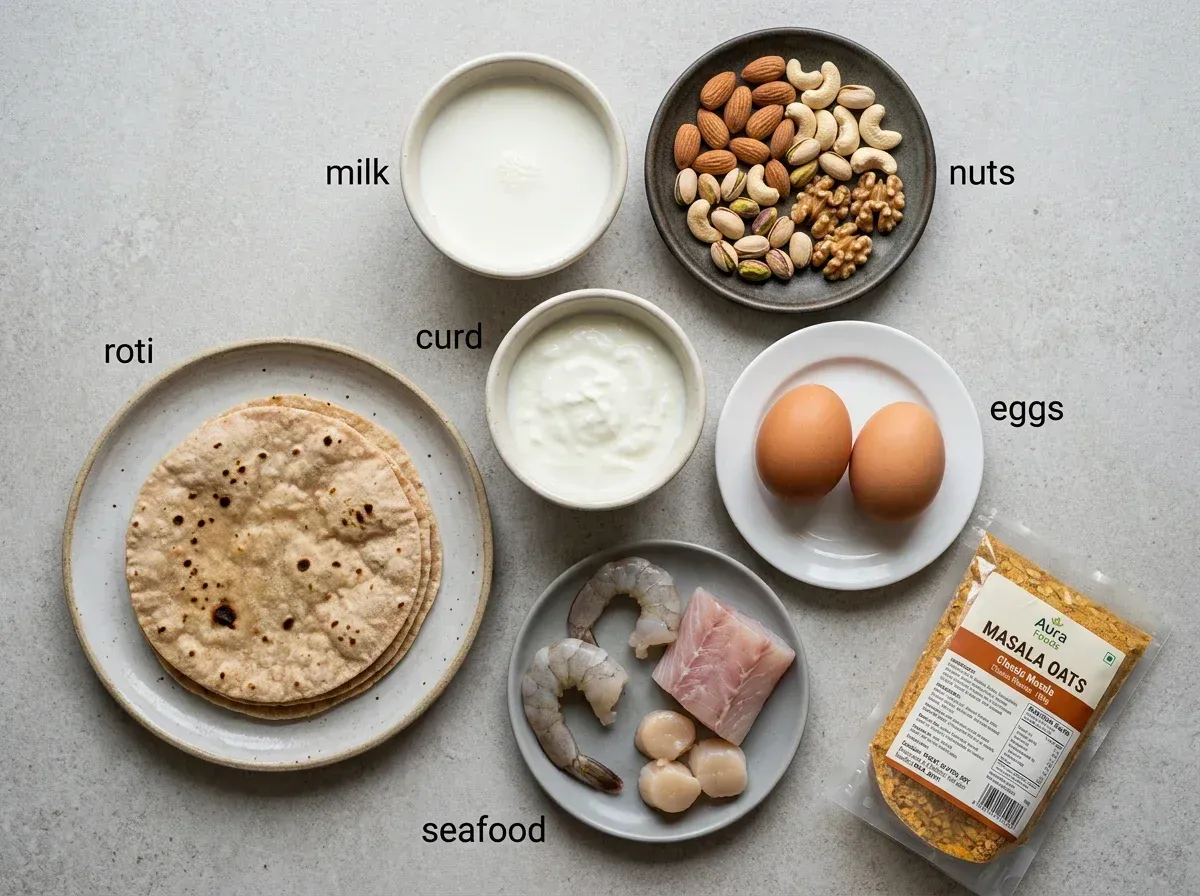
In India, the most common food allergens differ from the Western pattern: cow's milk and egg are the leading allergens in Indian children, while peanut (groundnut - a staple in Mumbai street food and Gujarati cuisine), tree nuts (cashew, pistachio), sesame (til), and shellfish (prawns widely consumed in Mumbai's coastal cuisine) are major triggers across age groups. Wheat allergy - distinct from coeliac disease - is seen, as is allergy to lentils (masoor, moong, chana), mustard seeds, and mango. Food intolerance (non-IgE, e.g. lactose intolerance) is far more prevalent than true allergy and is frequently confused with it by patients.
Gastrointestinal care at MAC
When food reactions are not simple allergy
Bloating, pain, diarrhoea, or nausea after meals are often labelled “food allergy” — yet the cause may be intolerance, infection, or inflammation in the gut. At Mumbai Allergy Centre, allergist and gastroenterologist work together so you are not left guessing.
Dr. Akash Shukla
Gastroenterologist · Mumbai Allergy Centre
Dr. Akash Shukla is our in-house gastroenterologist. He helps separate true food allergy from conditions that mimic it — including H. pylori infection, coeliac disease, ulcerative colitis, and common food intolerance. That clarity matters: unnecessary elimination diets, missed infections, and delayed IBD care are all too common when testing is incomplete.
Where appropriate, we use the most advanced non-invasive, painless investigations — so you get a precise diagnosis without invasive procedures as a first step.
Food allergy skin testing and oral challenges are led by our allergy team; gut infection, coeliac, and IBD work-up sit with gastroenterology — often in the same visit, under one roof.
How We Test
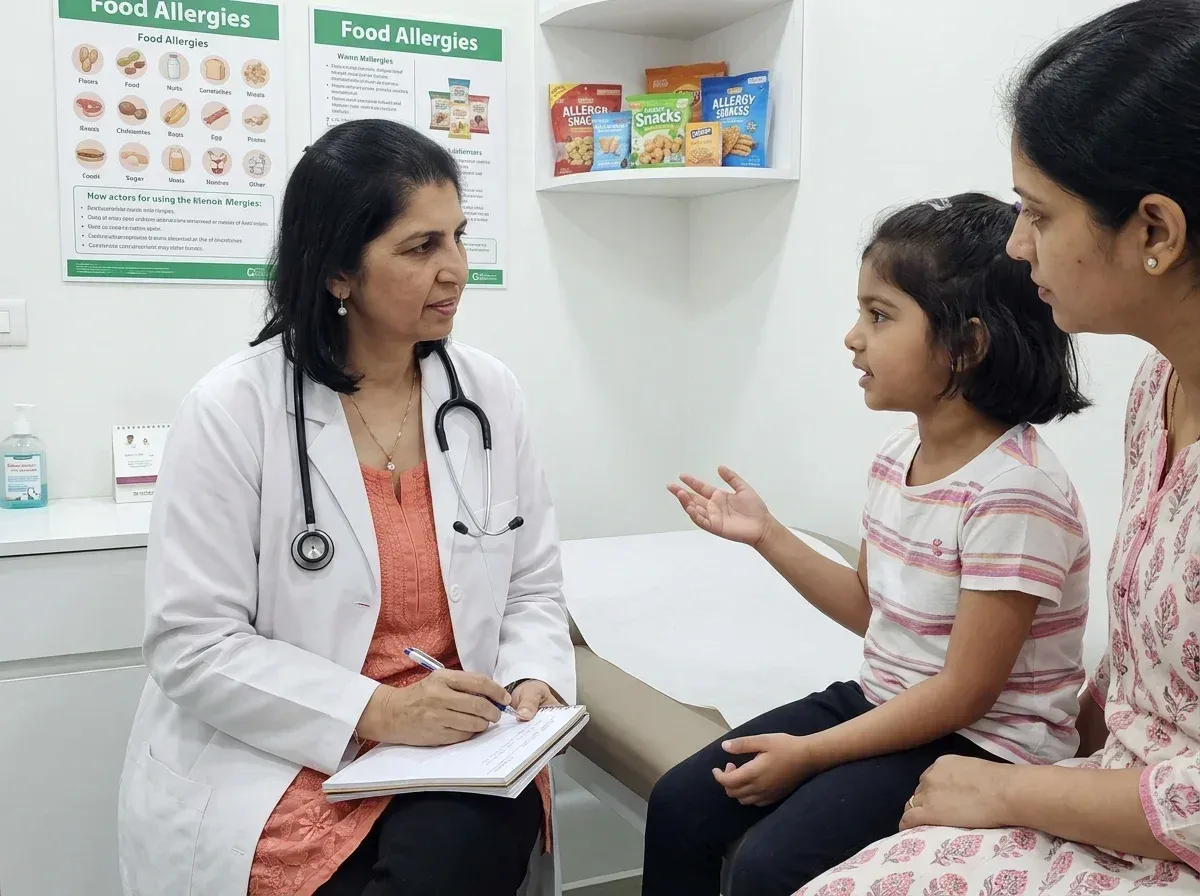
Diagnosis begins with a detailed dietary history and food-symptom diary. Our allergy team performs skin prick testing with fresh food extracts or commercial allergen preparations, followed by specific IgE (ImmunoCAP) and component-resolved molecular testing (e.g. Ara h 2 for peanut) to identify true allergy and predict severity. Where gut symptoms dominate, Dr. Akash Shukla, our gastroenterologist, adds non-invasive work-up — including urea breath testing for H. pylori, coeliac and IBD blood panels, and breath tests for lactose intolerance — to rule out infection and inflammatory bowel disease before unnecessary food elimination. The definitive test for food allergy remains the supervised oral food challenge (DBPCFC), performed with resuscitation facilities at our centre.
Confirmed food allergy requires strict allergen avoidance guided by a detailed allergen-avoidance plan and reading of food labels - particularly important for processed foods imported into Mumbai's growing retail market. Patients with moderate-to-severe allergy must carry a self-injectable epinephrine auto-injector (adrenaline pen) and an emergency action plan at all times. Oral immunotherapy (OIT) for peanut, milk, and egg allergy - now available at select Indian allergy centres - offers desensitisation by administering gradually increasing food doses under medical supervision. Dietitian input ensures nutritional adequacy during food elimination.
Seek immediate emergency care for any reaction causing throat swelling, breathing difficulty, or dizziness after eating, and consult an allergist to confirm the diagnosis and prescribe an epinephrine auto-injector.
Frequently Asked Questions
Food allergy is an immune system response (usually IgE-mediated) that can be life-threatening and occurs with even tiny amounts of the food. Food intolerance (e.g. lactose intolerance) is a digestive issue - generally dose-dependent, uncomfortable but not dangerous. Proper testing by an allergist is essential to distinguish them, as avoidance strategies and emergency management differ completely.
Yes - Mumbai's coastal location and Maharashtrian, Goan, and Malvani cuisines mean shellfish (prawns, crab, lobster) are widely consumed, and shellfish allergy is among the most commonly diagnosed food allergies at Mumbai allergy clinics. Shellfish allergy is usually lifelong and requires strict avoidance. Cross-contamination in Mumbai's seafood markets and restaurants is a significant risk.
Milk and egg allergies have the best chance of outgrowing - approximately 50–80% of children become tolerant by school age. Peanut, tree nut, sesame, and shellfish allergies are more persistent. Regular re-evaluation with specific IgE testing by an allergist determines whether it is safe to attempt a supervised food challenge to check if the allergy has resolved.
Milk allergy requires strict avoidance of all dairy (milk proteins - casein and whey - in any form, including ghee in some severe cases). Lactose intolerance only requires restricting lactose-containing dairy; fermented products like curd (dahi) and hard cheese are often well tolerated because bacteria break down lactose. Ghee contains almost no lactose and is usually safe for lactose-intolerant individuals.
Oral immunotherapy (OIT) is a specialised treatment where you consume gradually increasing amounts of the allergen food - such as peanut flour or cow's milk - under strict medical supervision to build tolerance. OIT for peanut, milk, and egg allergy is available at a small number of advanced allergy centres in Mumbai and has a strong evidence base, particularly for children with peanut allergy.
Yes — and this is very common. H. pylori infection, coeliac disease, ulcerative colitis, and food intolerance can all cause bloating, pain, or diarrhoea after meals and are frequently mistaken for food allergy. At Mumbai Allergy Centre, allergist and gastroenterologist assess together, using painless non-invasive tests (such as urea breath testing and coeliac serology) alongside allergy testing, so you receive the correct diagnosis and treatment.
Depending on your history, we may use urea breath testing for H. pylori, blood tests for coeliac disease and inflammatory markers, lactose or other hydrogen breath tests for intolerance, and ImmunoCAP or skin prick testing for true food allergy. These are outpatient, painless investigations that avoid endoscopy unless clearly indicated.
Take the next step
Living with food allergy & intolerance? Let’s find your trigger.